IHJ Roundtable
IHJ Policy Roundtable 2026
[Event Report] Roundtable with International Crisis Group (Second Edition)
Share


Updated: March 24, 202
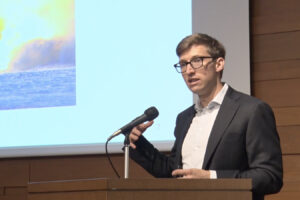
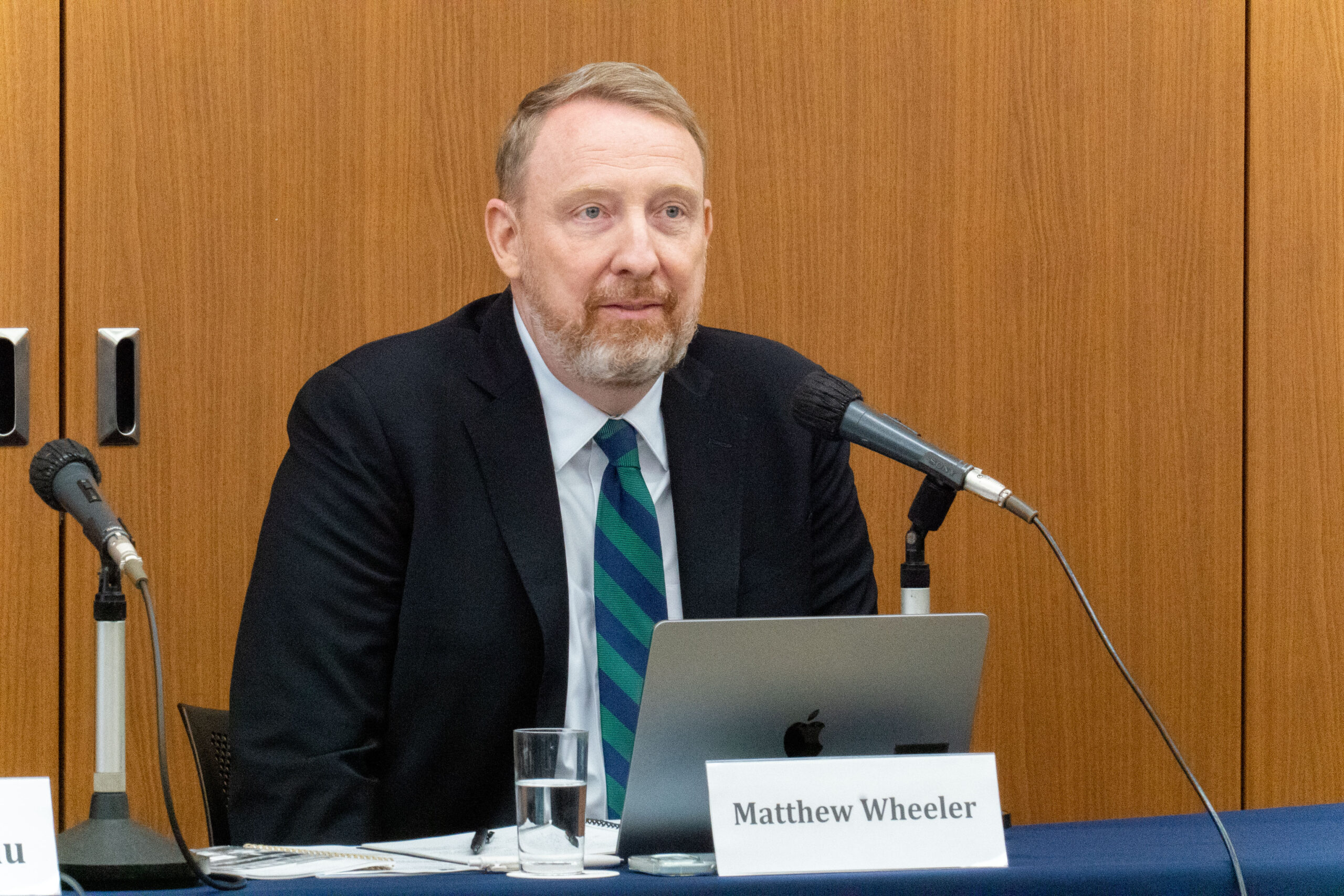
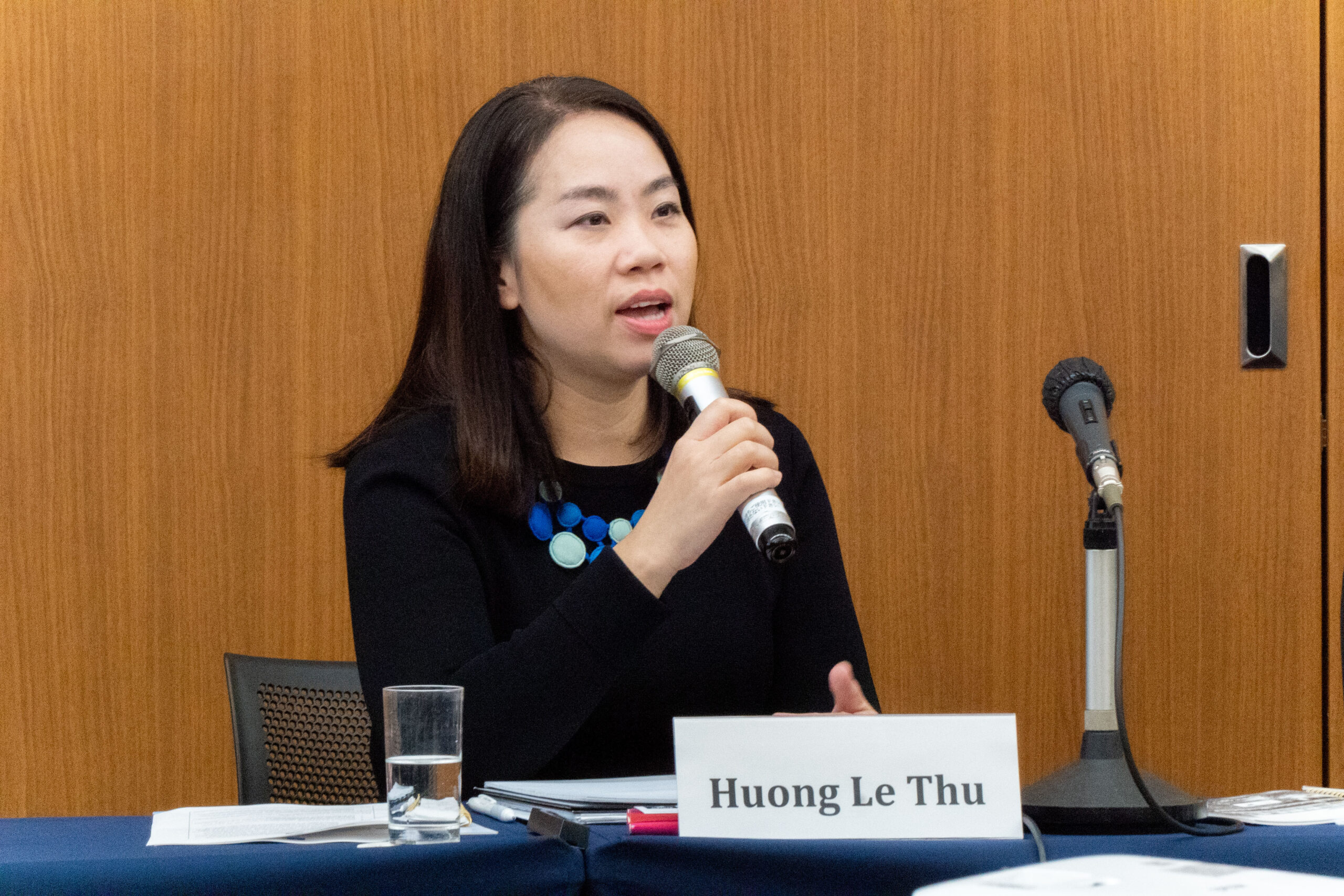
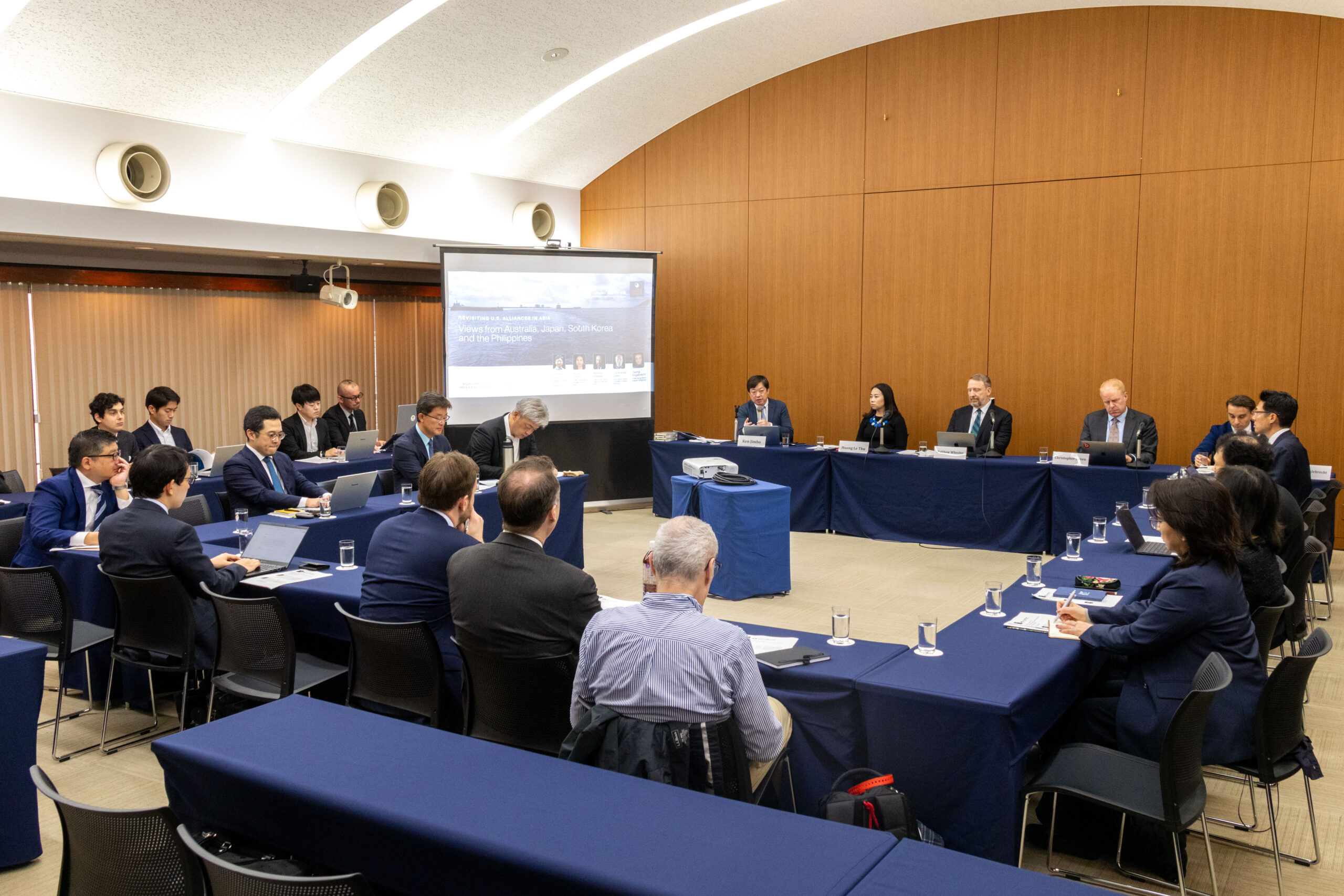
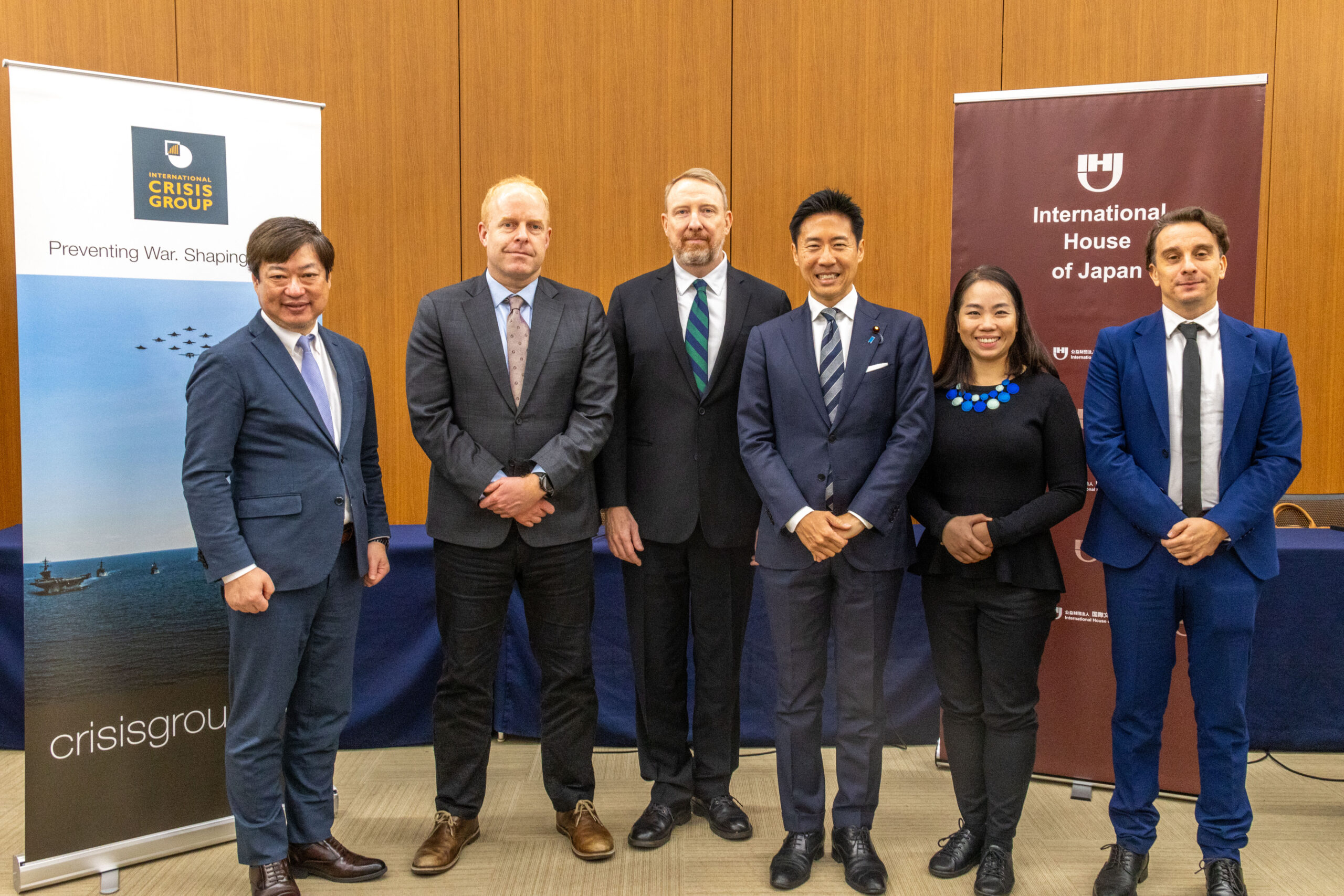
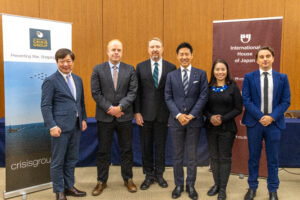
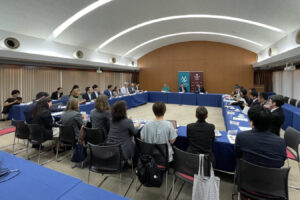
On 23 March 2026, the International House of Japan hosted a roundtable with analysts from the International Crisis Group on the theme “Revisiting the U.S. Alliances in Asia: Views from Australia, Japan, South Korea and the Philippines.” The session provided an opportunity for participants to exchange views on the evolving security environment in the Indo-Pacific amid shifting global power balances and growing pressure on alliance structures.
The discussion drew on Crisis Group’s Asia Program research series on military modernization in Asia and examined the security environments and policy responses of Japan, South Korea, the Philippines, and Australia. Key themes included intensifying U.S.–China competition, alliance management, strategic autonomy, and the challenges facing the rules-based international order.
Country presentations highlighted several shared concerns. For Japan, the balance between strengthening defense capabilities and maintaining strategic autonomy within the alliance framework was identified as a key issue. In the case of South Korea, speakers emphasized the worsening security environment due to North Korea’s advancing capabilities and the increasing difficulty of managing alliance relations amid U.S.–China competition. The discussion of the Philippines focused on maritime security challenges, particularly in response to China, and the importance of expanding cooperation with external partners. For Australia, participants noted the need to manage both “abandonment” and “entrapment” concerns while maintaining close alliance ties with the United States.
The discussion underscored the importance of viewing alliances as multi-layered frameworks encompassing not only defense but also economic security and technological cooperation. Participants also observed that countries in the region are seeking to expand their strategic space by strengthening defense capabilities and deepening minilateral cooperation while maintaining U.S.-centered alliances. In addition, it was noted that cooperation among middle powers and the provision of regional public goods will play an increasingly important role in sustaining the rules-based international order.
Archives
Program
IHJ Roundtable [Event Report] IHJ Policy Roundtable with Patrick M. Cronin —“Complacency Before Crisis: Deterrence and the U.S.-Japan Alliance”
Geoeconomics
Policy Research

Program
IHJ Roundtable [Event Report] IHJ Policy Roundtable — “Space Power, Alliances, and Ground Infrastructure”
Geoeconomics
Policy Research
Program
IHJ Roundtable [Event Report] IHJ Policy Roundtable — “The Dynamics of Structural Dependence in Advanced Technology Infrastructure”
Geoeconomics
Policy Research

Program
IHJ Roundtable [Event Report] IHJ Policy Roundtable with Professor John Ikenberry — “Return of Liberal Internationalism”
Geoeconomics
Policy Research
Program
IHJ Roundtable [Event Report] IHJ Policy Roundtable with the Prospect Foundation Delegation
Geoeconomics
Policy Research
Program
IHJ Roundtable [Event Report] Japan–Pakistan Dialogue Webinar (BCPR–IHJ)
Geoeconomics
Policy Research
Program
IHJ Roundtable [Event Report] IHJ Policy Roundtable with Asia New Zealand Foundation
Geoeconomics
Policy Research
Related Programs


Geoeconomics IHJ Roundtable
IHJ frequently organizes roundtables as part of our mission to “contribute to building a free, open, and sustainable future through intellectual dialogue, policy research, and cultural exchange with a...
Policy Research
Geoeconomics International Conferences (Japan-Korea-US-China)