

Project Overview
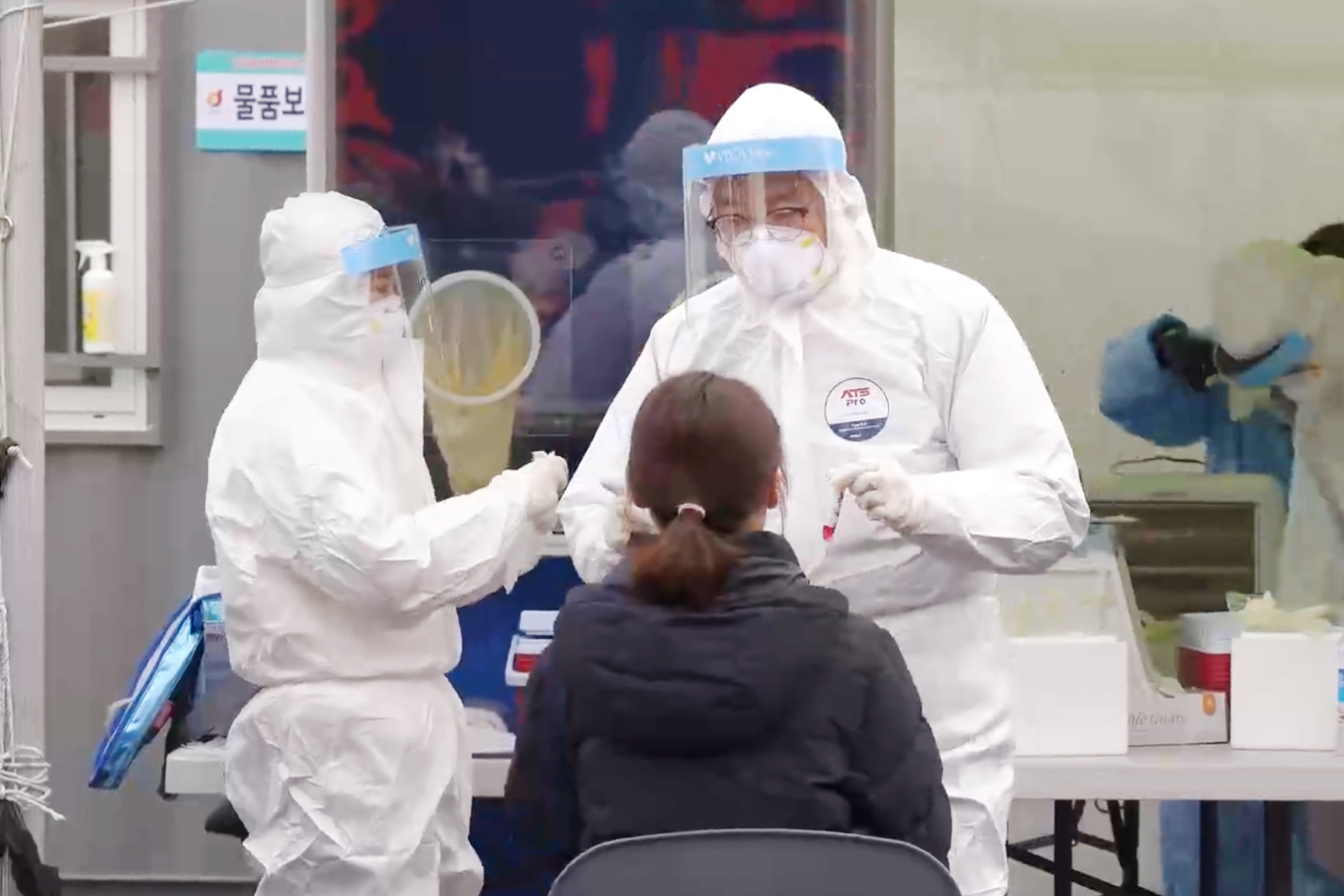
The COVID-19 pandemic is the most devastating global health crisis in over a century. During the crisis, East Asian countries and regions have kept the number of COVID-19 deaths per population relatively lower than in other countries. The world has drawn its attention to how East Asia has managed the risk of COVID-19 and controlled the potential damage.
Since 2020, Asia Pacific Initiative (API) has reviewed how East Asian countries confronted COVID-19, and good practices and lessons learned to share with the world. The project covers seven countries/regions: Japan, Singapore, Vietnam, South Korea, Taiwan, Thailand, and Hong Kong. The project will provide recommendations on how to prepare not only for the current COVID-19 response, but also for Disease X, a serious infectious disease that could cause outbreaks by a pathogen currently unknown, including the next highly lethal coronavirus (COVID-X).
Publications
Building Resilience through a whole-of-society approach: COVID-19 pandemic responses in East Asia
Interim report of the East Asian response to COVID-19 Project
Yoshiyuki Sagara, Thomas Stables, and Lauren Baehr
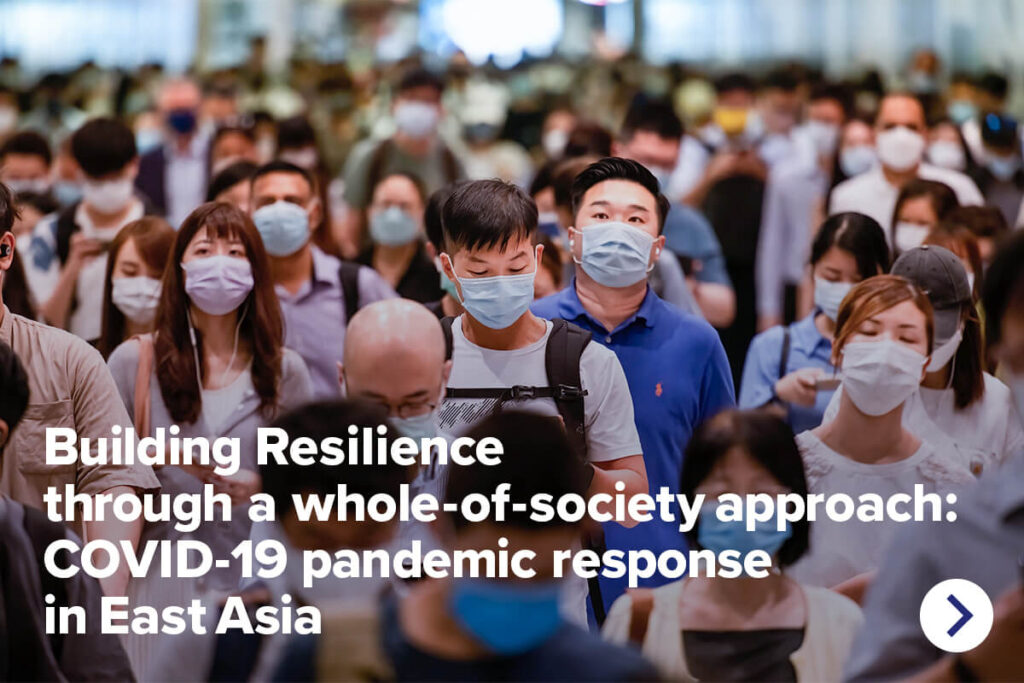
The COVID-19 pandemic is the most devastating global health crisis in over a century. During the crisis, East Asian countries and regions, excluding China, were able to provide effective operational knowledge to the public, reduce core national vulnerabilities, and adjust healthcare capacity and resources in ways that created public trust and a sense of legitimacy in the competency of the governments’ strategies. This created and maintained a whole-of-society response, which allowed East Asia to build resilience and effectively control the COVID-19 pandemic. Such responses bought these governments time by keeping infections relatively low until vaccines were available.
Download the ReportDownload the Report
Latest contents
1 March 2022 / Japan Times

20 January 2022 / Japan Times
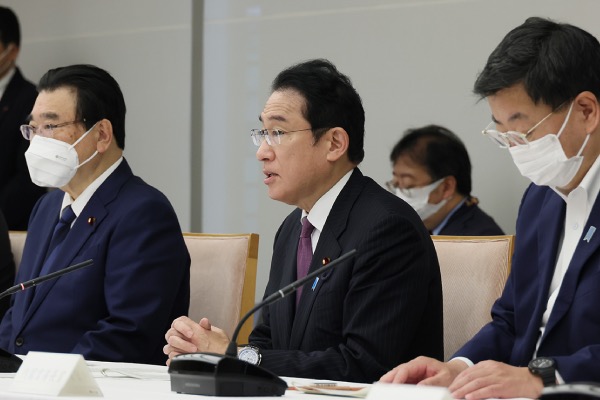
11 June 2021 / Japan Times
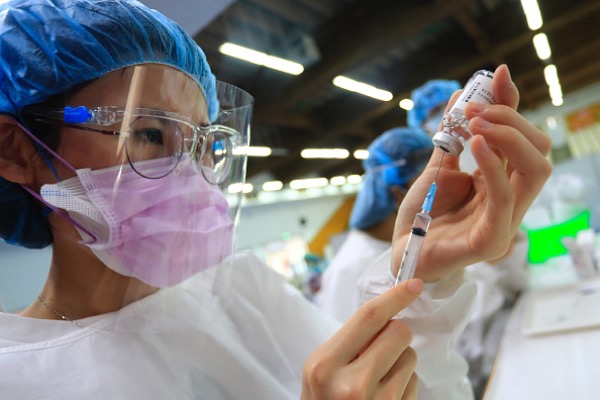
REPORT 11 June 2021 / Japan Times
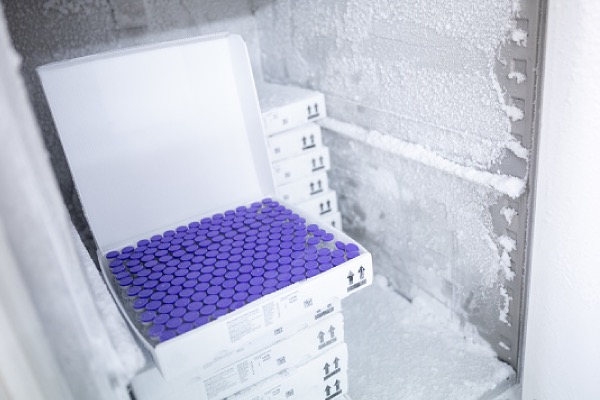
23 March 2021 / Japan Times
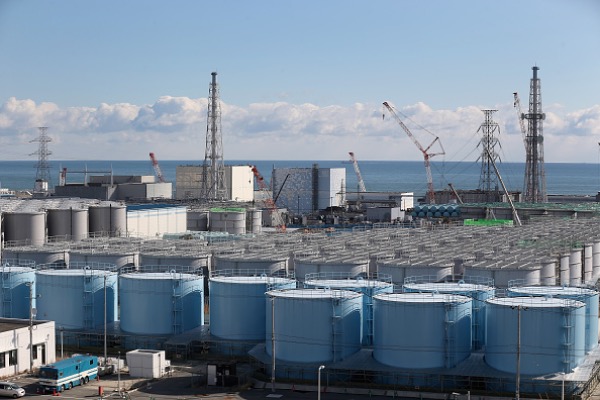
7 February 2021 / Japan Times
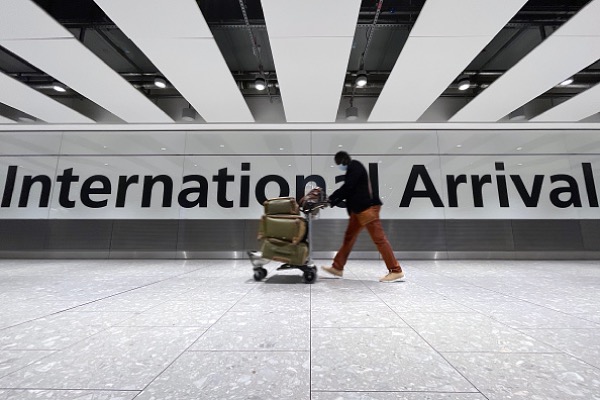
8 January 2021 / Japan Times
1 September 2020 / Japan Times
Events
What has Japan’s Governance Learned from the Fukushima Nuclear Accident and the COVID-19 pandemic?
27 February 2021
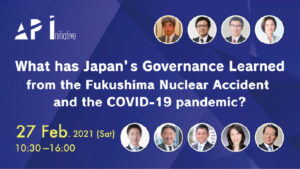
It’s been almost ten years since the Fukushima nuclear power plant accident, which was triggered by the Great East Japan Earthquake on March 11, 2011. In 2012, the Rebuild Japan Initiative Foundation (RJIF), the predecessor of API, released the Report of the “Independent Investigation Commission on the Fukushima Nuclear Accident,” from an independent, private-sector perspective.
In the summer of 2019, API launched the “10-year Investigation Commission on the Fukushima Nuclear Accident” to once again review lessons identified by RJIF’s Independent Investigation Commission and to examine what we have learned, or not. On February 19, API will publish the “Final Report of the Independent Investigation Commission.”
By using the experience and methodology of the Independent Investigation Commission, API also established the “Independent Investigation Commission on the Japanese Government’s Response to COVID-19 (API/ICJC)”, which published the Japanese-language version of its report in October 2020 and English-language version in January 2021.
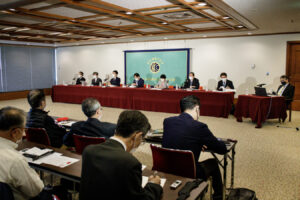
During the past decade after the Fukushima nuclear accident, what has Japan’s governance learned? Have the lessons learned been applied to the national crisis created by the COVID-19 pandemic? In this symposium, API invited speakers from its independent investigation commissions on the Fukushima nuclear accident and COVID-19, as well as practitioners directly involved in the two national crises.
Opening Remarks
Part 1 10-year Investigation Commission on the Fukushima Nuclear Accident
Part 2 The Independent Investigation Commission on the Japanese Government’s Response to COVID-19 (API/ICJC)
Part 3 Fukushima and COVID-19: what have we learned from the two crises? Closing remarks
The Independent Investigation Commission on the Japanese Government’s Response to COVID-19 (API/ICJC)
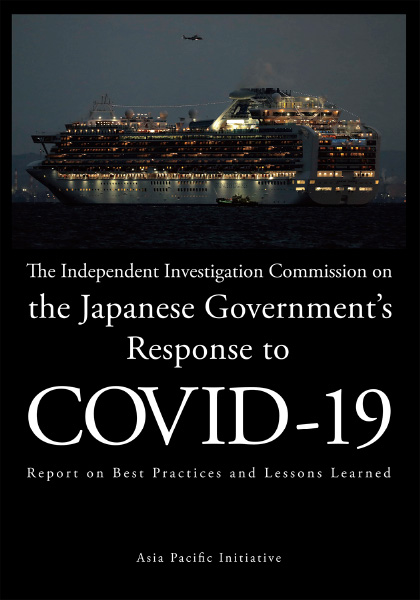
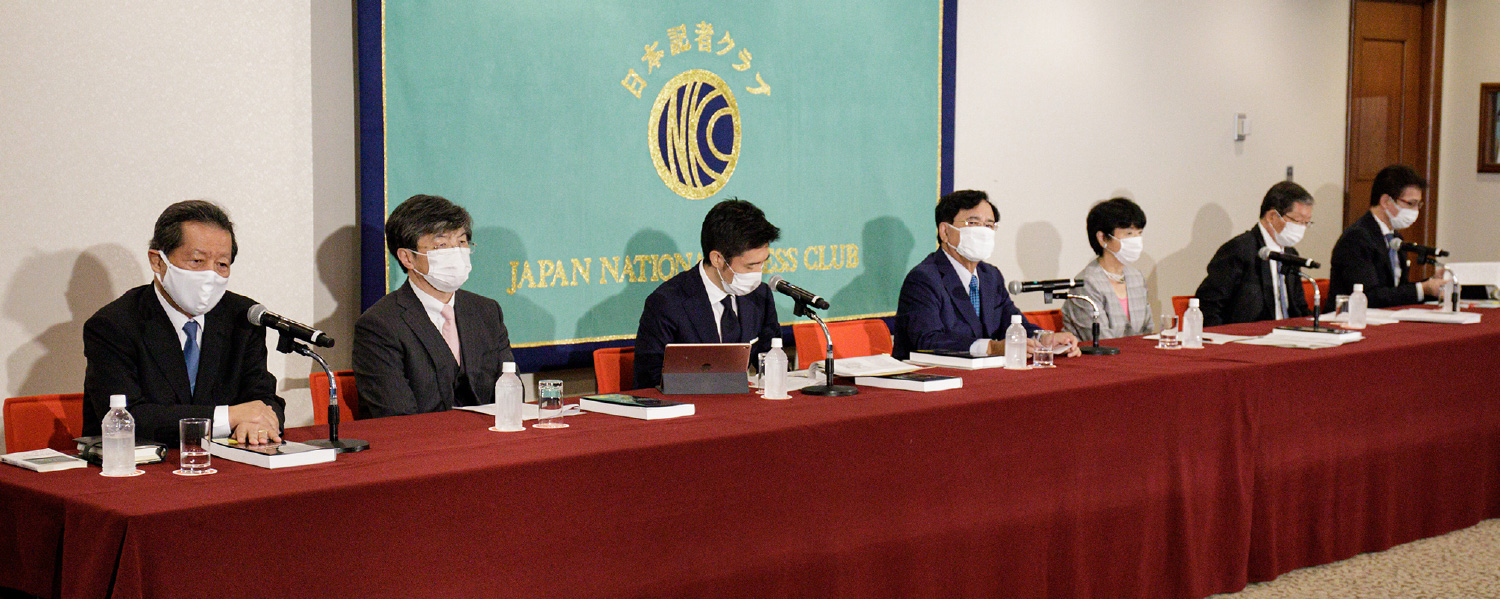
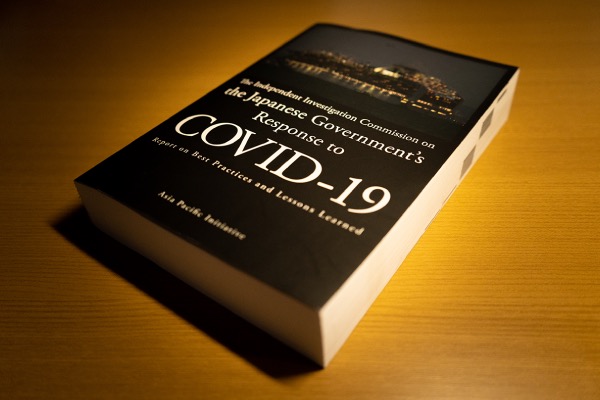
API established “The Independent Investigation Commission on the Japanese Government’s Response to COVID-19” in July 2020 to examine how Japan responded to the COVID-19 crisis, and published a report titled “The Independent Investigation Commission on the Japanese Government’s Response to COVID-19: Report on Best Practices and Lessons Learned” in Japan in October 2020.
On 8 January 2021, API published the English version of the Commission Report and made it available online.
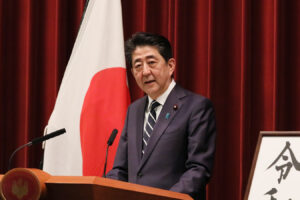
Under the guidance of the Commission, which consisted of four leading experts, the Working Group (WG) composed of 19 experts in medical, law, public policy, crisis response, health security, and international relations, conducted 102 interviews with 84 government officials and experts, including the Prime Minister Shinzo Abe, the Chief Cabinet Secretary Yoshihide Suga, the Minister of Health, Labour and Welfare Katsunobu Kato, as well as numerous other senior government officials who provided insight on the background of the events.
Experts

Senior Research Fellow
SAGARA Yoshiyuki
Yoshiyuki Sagara is a senior research fellow at the Asia Pacific Initiative (API), where he focuses on economic security, sanctions, health security policy including COVID-19 response, international conflicts, Japan’s foreign policy, economic ataecraft, and sanctions.
Archives
Program
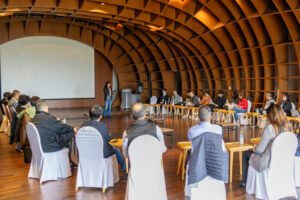
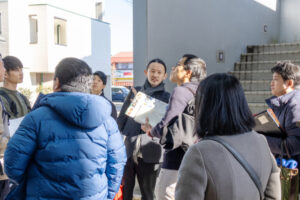
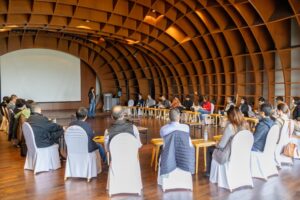
Asia Leaders Fellowship (ALF) The second annual gathering of the Asian Leaders Fellowship (ALF), a community of “leaders in action,” was held in South Korea.
Innovation
Leadership Development
Program
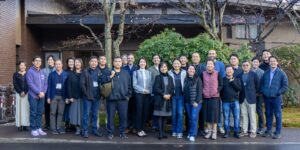
Asia Leaders Fellowship (ALF) Asia Leaders Fellowship (ALF) holds an inaugural gathering in Japan
Innovation
Leadership Development

Program
Innovation
Leadership Development
Program
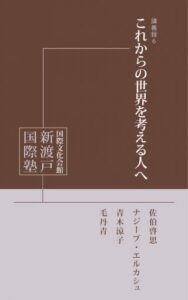
Nitobe Leadership Program The lecturers of the Nitobe Leadership Program
Innovation
Leadership Development

Related Programs