Delve into Japanese Culture @ I-House
Reading the Japanese Mind Through Waka Poetry with a Focus on The Tale of Genji
Share


*This event has finished.
- Lecturer: Tzvetana Kristeva (Professor, International Christian University)
- Date: Monday, October 2, 2017, 7:00-8:30 pm
- Venue: Matsumoto-Kabayama Room, International House of Japan
- Language: English (without Japanese interpretation)
- Admission: 1,000 yen (500 yen for students; Free for IHJ members and guests staying at I-House on October 1 or 2)
- Seating: 80 (reservations required)

Tzvetana Kristeva
Tzvetana Kristeva is a Bulgarian scholar of classical Japanese literature and the semiotics of culture, with an MA from the University of Moscow and PhDs from both the University of Sofia and University of Tokyo. She has published, in Japanese, a book on the poetic language of classical Japanese literature (Namida noshigaku [The Poetics of Tears], Nagoya University Press, 2001) and a book on Japanese ancient thought interpreted through waka poetry (Kokoro zukushi no nihongo, Chikuma Shinsho, 2011). With Donald Keene, she published Nihon no haiku wa naze sekai bungaku nanoka [Why is Japanese Haiku World Literature?], Zen Shobo, 2014).
Archives

Program
Japan-India Programs Lectures & Sessions featuring Kazuyo SEJIMA
Philosophy
Intellectual Dialogue
Program
Japan-India Programs Seminar Series on Contemporary India for Business Persons
Philosophy
Intellectual Dialogue

Video
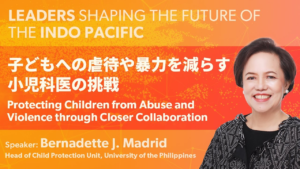
Lecture Series with Indo-Pacific Leaders #3 Protecting Children from Abuse and Violence through Closer Collaboration
Philosophy
Leadership Development

Video
Lecture Series with Indo-Pacific Leaders #2 Voices of Young Environmentalists in Asia: Possible Steps and Alternatives to Change the World
Philosophy
Leadership Development
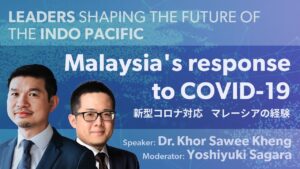
Video
Lecture Series with Indo-Pacific Leaders #1 Malaysia’s Response to COVID-19
Philosophy
Leadership Development

Program
I-House Public Programs: Archives [Peace Symposium Tokyo 2022] Peacemaking at the Intersection of Culture, Art, and Nature
Arts & Design Philosophy
Intellectual Dialogue
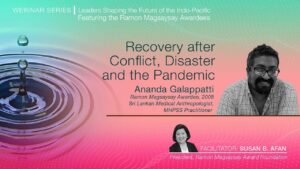
Video
Lecture Series with Indo-Pacific Leaders Recovery after Conflict, Disaster, and the PandemicA Special Tribute to Tetsu Nakamura, 2003 Ramon Magsaysay Awardee
Philosophy
Leadership Development
Related Programs

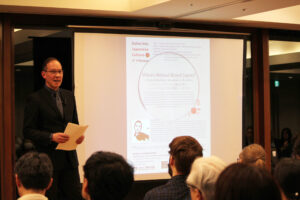

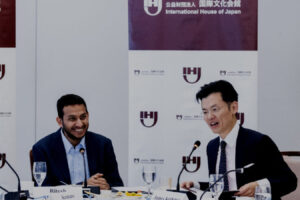
Philosophy Japan-India Programs
I-House, which has engaged in various exchange activities with India and Indian nationals since its early stages, offers a set of Japan-India exchange programs, including a distinguished visitors’ pro...
Intellectual Dialogue