
International Conferences (Japan-Korea-US-China)
【Event Report】2025 Korea-Japan Future Vision Dialogue – Korea-Japan Relations in the Trump 2.0 Era: A New Horizon for Bilateral Cooperation –


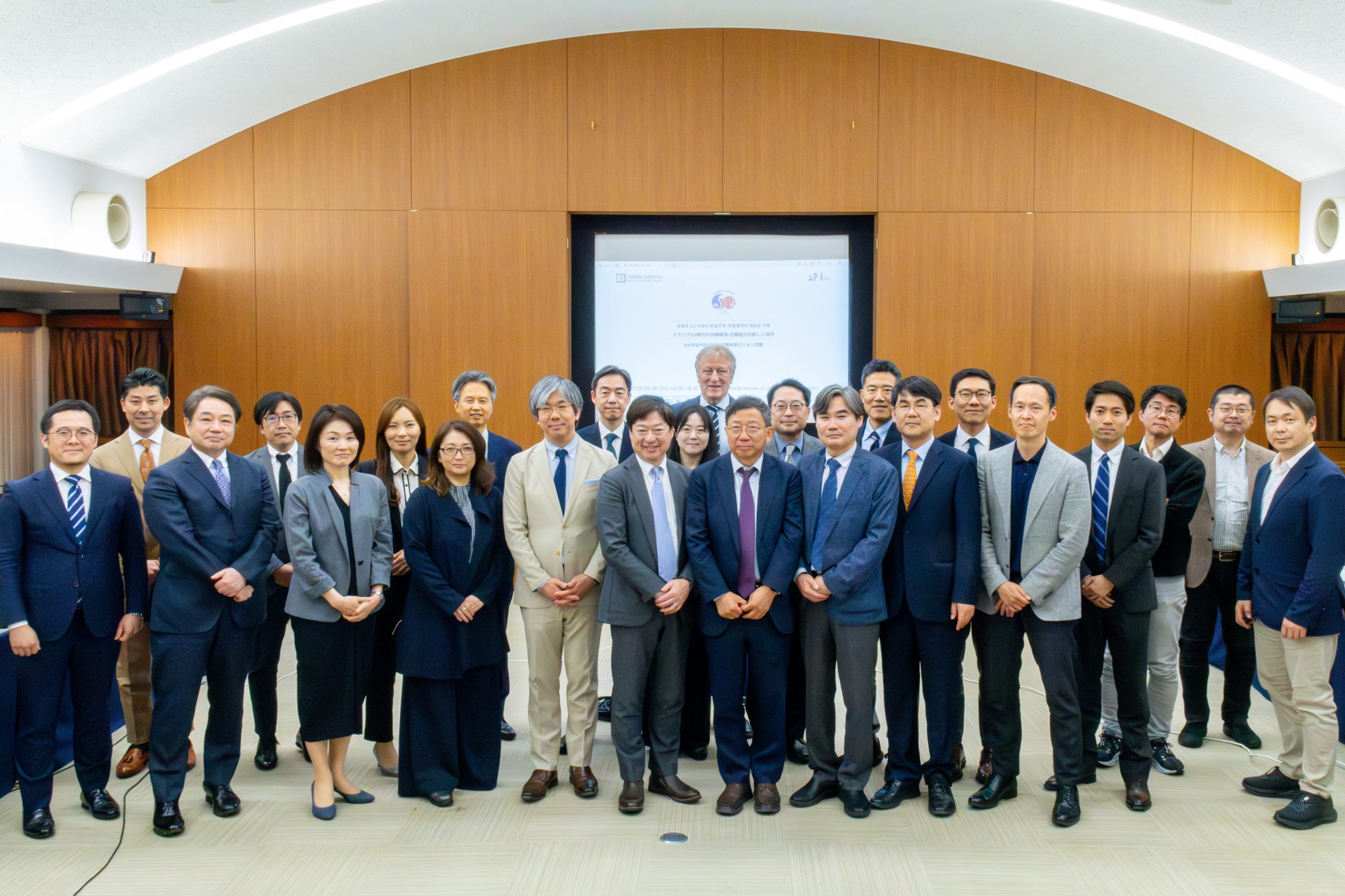
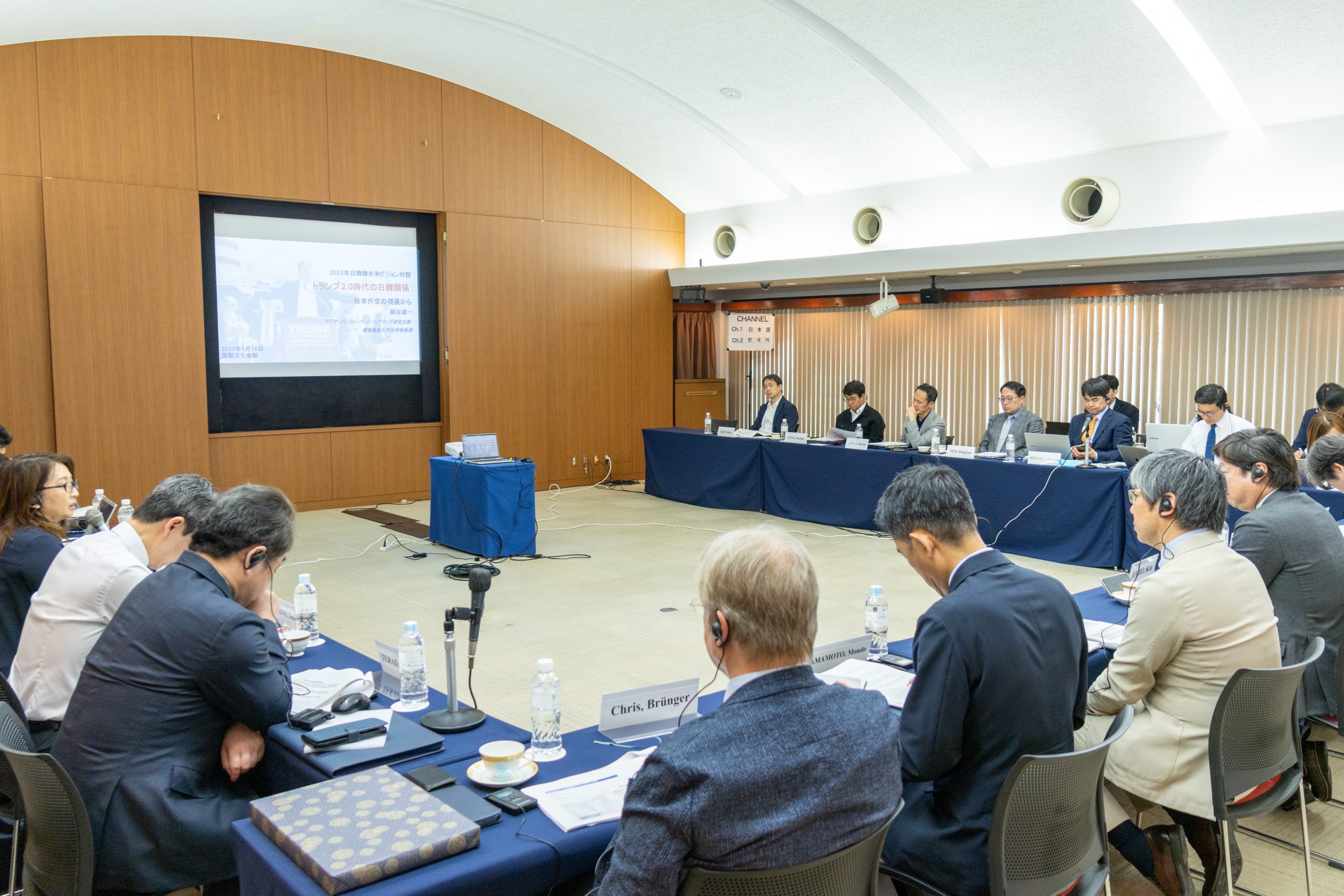
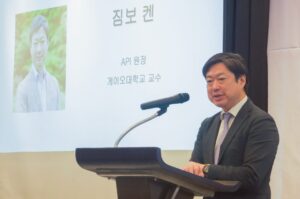
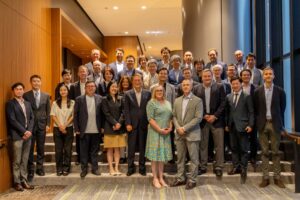
On May 16, 2025, the Asia Pacific Initiative (API), in collaboration with the Institute for Japanese Studies at Kookmin University (Seoul), convened the “2025 Korea-Japan Future Vision Dialogue” at the International House of Japan in Tokyo. Bringing together approximately 30 leading experts and practitioners from both countries, the dialogue provided a multi-dimensional forum for discussions on politics, security, economics, and the future trajectory of bilateral relations.
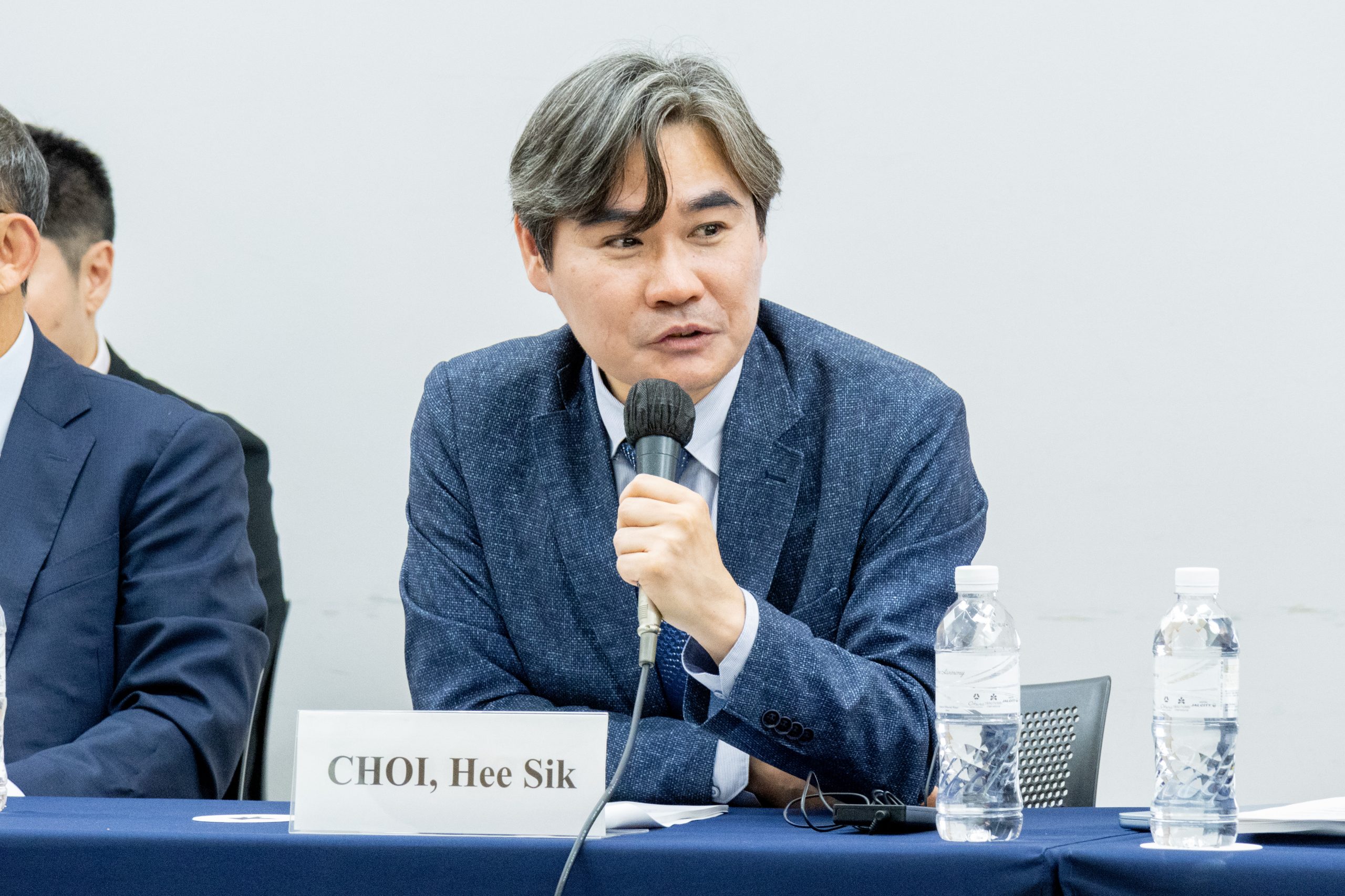
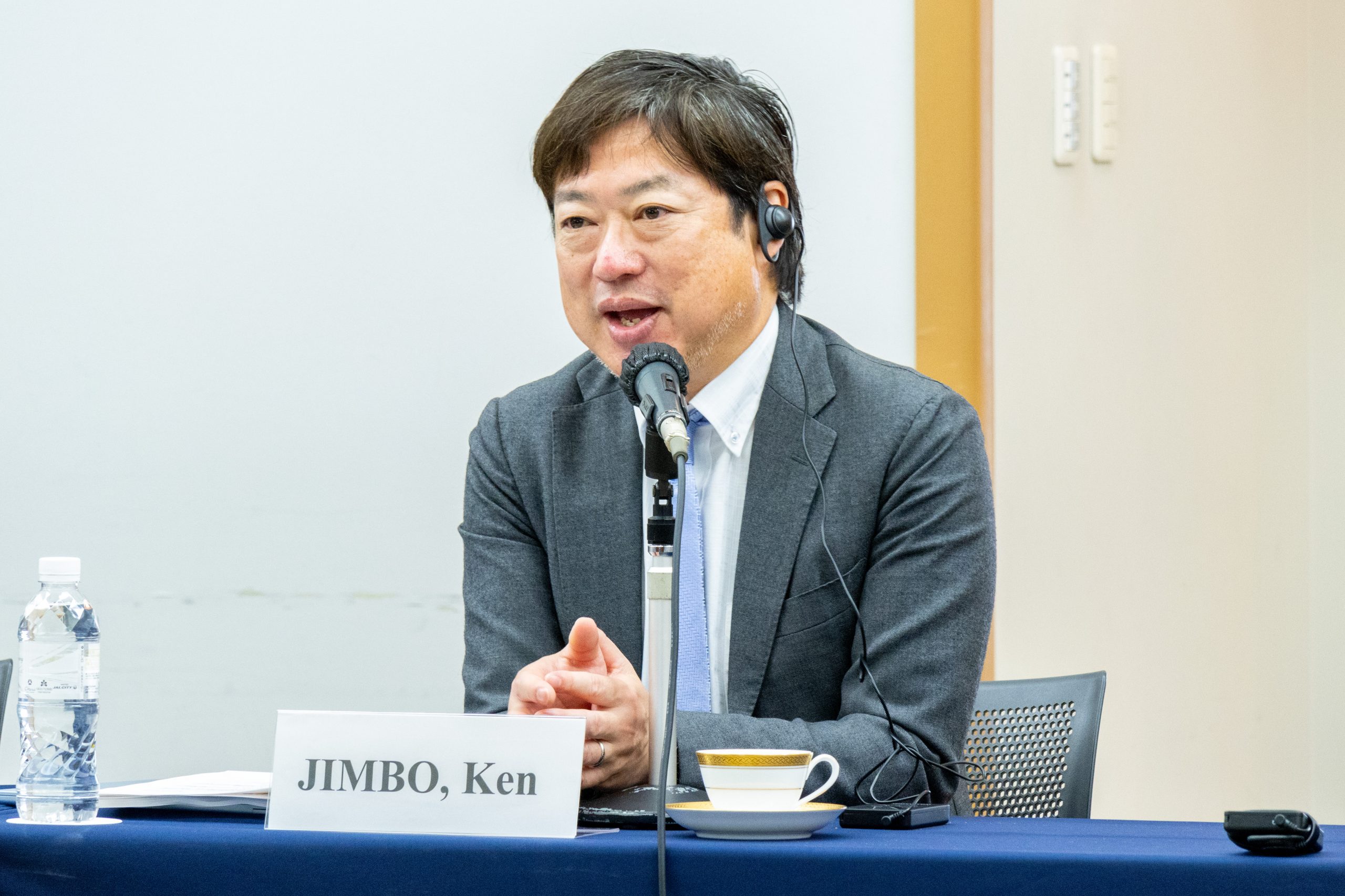
Session 1: Continuity and Evolution in Korea-Japan and U.S.-Japan-Korea Relations
The first session explored the current state and future prospects of Korea-Japan and U.S.-Japan-Korea relations through the lens of “continuity and evolution.” Participants reviewed the political contexts in both countries and reaffirmed the significance of the Camp David agreements.
While acknowledging the potential for political transition in Korea, participants noted that both ruling and opposition parties broadly recognize the importance of bilateral ties, offering a somewhat optimistic outlook for continued cooperation. However, in the event that a progressive administration comes to power in Korea, it was suggested that deeper Japanese engagement will be necessary to sustain relations.
The discussion also addressed the future of the “latticework” of trilateral cooperation established under the Biden administration. Opinions were divided on whether a potential return of the Trump administration would limit U.S. engagement in the Indo-Pacific to minilateral or bilateral formats. Amid increasing military threats from North Korea, the need for renewed defense cooperation between Japan and Korea was highlighted.
Session 2: Opportunities and Challenges in Korea-Japan Economic Cooperation
The second session focused on economic security and supply chain resilience as core pillars of Korea-Japan cooperation. Presenters proposed concrete policy ideas, including collaboration in the semiconductor and LNG sectors, as well as support for shipbuilding geared toward the U.S. market.
In addition to traditional concerns about China, several participants identified the U.S. as an emerging source of uncertainty in the economic security landscape. Discussions touched on Korea’s potential accession to the CPTPP, feasibility of LNG cooperation, and strategies for managing negotiations under a possible second Trump administration. While the bilateral negotiation preference of the Trump administration may constrain joint diplomatic efforts, proposals for mutual learning and parallel cooperation models were also offered.
It was further emphasized that proactive policy proposals from Japan will be essential for deepening and sustaining future economic collaboration.
Session 3: The 60th Anniversary of Normalization and the Future of Korea-Japan Relations
The third session marked the 60th anniversary of the normalization of diplomatic ties between Japan and Korea in 1965, offering a retrospective on bilateral achievements and a forward-looking view of future challenges. Presenters examined the evolution of an equal partnership over the past three decades, with special attention to generational differences in Korean public perceptions of Japan.
Looking ahead, participants recognized both opportunities and risks: while political events in June may advance diplomatic engagement, the possibility of renewed historical tensions in August was also acknowledged. The importance of “firewalls” to prevent political friction from spilling over into other areas of cooperation was underlined.
Mid-term cooperation areas identified included people-to-people exchange, energy security, and defense collaboration.
One concrete proposal involved co-building icebreaking LNG carriers for Alaskan operations. Long-term challenges discussed included addressing generational and gender-based differences in attitudes toward Japan within Korea. Special attention was paid to the perceptions of the emerging leadership demographic in their 40s and 50s.
The session concluded with a proposal to create new terminology or symbolic concepts to characterize and strengthen the future of Korea-Japan relations.
The dialogue reaffirmed the importance of constructive and forward-looking engagement between Japan and Korea amidst growing geopolitical complexity. Both API and the Institute for Japanese Studies at Kookmin University remain committed to fostering continued dialogue, mutual understanding, and sustained cooperation between the two countries.
Archives

Program
International Conferences (Japan-Korea-US-China) Japan-Korea Economic Cooperation Conference
Geoeconomics
Intellectual Dialogue
Program
International Conferences (Japan-Korea-US-China) API Co-Hosts Japan-ROK-US Trilateral Dialogue with KNDA and Asia Society
Geoeconomics
Intellectual Dialogue

Program
International Conferences (Japan-Korea-US-China) Report on the Final Symposium of the Japan-Korea 2050 Project
Geoeconomics
Intellectual Dialogue
Related Programs



Arts & Design IHJ Cultural Lobby
Our orderly ways of life have been disrupted in many places around the world, notably in Ukraine and Gaza, and there is little prospect of an early recovery. The issues modern society must consider, s...
Intellectual Dialogue

Arts & Design Architalk: Seeing the World through Architecture
I-House boasts a building constructed under the collaboration of three prominent modern Japanese architects, and from its inauguration has been receiving guests and members from the field of architect...
Intellectual Dialogue
Geoeconomics IHJ Roundtable
IHJ frequently organizes roundtables as part of our mission to “contribute to building a free, open, and sustainable future through intellectual dialogue, policy research, and cultural exchange with a...
Policy Research