
Asia Leaders Fellowship (ALF)
The Third Annual Gathering of the Asia Leaders Fellowship (ALF) Was Held in Hangzhou and Shanghai, China
Share


The third Asia Leaders Fellowship (ALF) Annual Gathering took place in Hangzhou from 31 October to 3 November 2025, followed by Shanghai from 3 to 4 November.
Amid fluid great-power relations between the United States and China and an evolving regional landscape in Asia, this year’s Annual Gathering—held intentionally in China— reflected ALF’s belief that there is value in coming together to engage in dialogue in the same physical space, without presuming division as a given. Throughout the Gathering, a consistent emphasis was placed not on indirect understandings shaped by politics or the media, but on first-hand insights that can only be gained by being present on the ground, meeting people, and engaging in sustained, face-to-face dialogue.
Programs in Hangzhou
The first day in Hangzhou began quietly with a Tai Chi session. By calming the breath, releasing tension and moving together in motions that connect heaven and earth, participants temporarily set aside everyday roles. This gentle introduction prepared minds and bodies for open dialogue and offered a shared, embodied experience of ALF’s philosophy of approaching issues from a long-term perspective rather than chasing immediate outcomes.
Afterwards, a memorial tribute was held for ALF Fellow Sunjay Kapur, who passed away suddenly in June 2025 near Windsor, UK. As chairman of Sona Comstar—one of India’s leading automotive component manufacturers—he led the firm’s global expansion in the electric‑vehicle sector and was admired for building bridges between India and China. During the tribute, participants quietly reflected on his candid and sincere leadership and his commitment to balancing family, work, and personal passions. The moment also invited a renewed contemplation of ALF’s core question, “How can we become good ancestors?”, not as an abstract ideal but as a way of living.
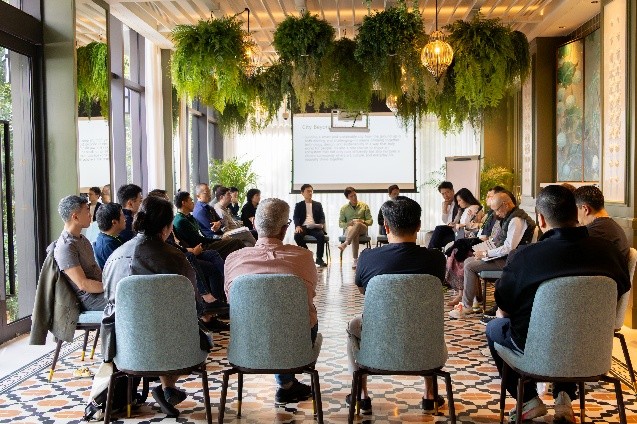
The closed-door program in Hangzhou was conducted in three parts.
First, during the Common Reading Session, participants began by reflecting on Kazuo Inamori’s words —founder of Kyocera and KDDI—“Your attitude can change hell into paradise.” Drawing on this idea, Fellows explored how altruism, a giving mindset, and a leader’s attitude can fundamentally shape organizations and society. Many participants did not simply praise the idea as an idealistic doctrine; instead, they engaged with it from a practical standpoint, considering how such principles might be translated into real-world organizational management and institutional design. A shared understanding emerged that altruism is not a slogan, but only becomes effective when integrated with long-term relationships of trust and decision-making frameworks which reflects ALF’s practice-oriented approach.
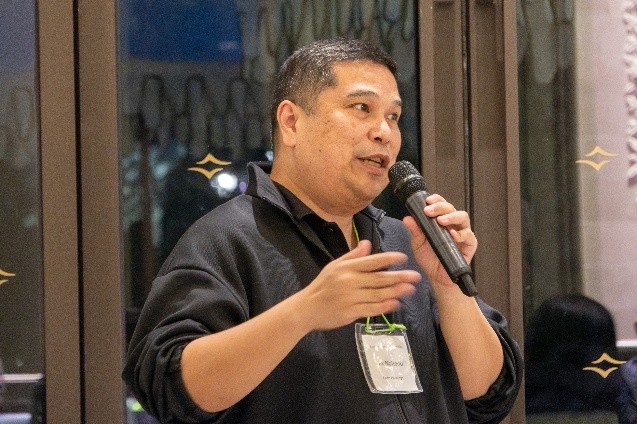
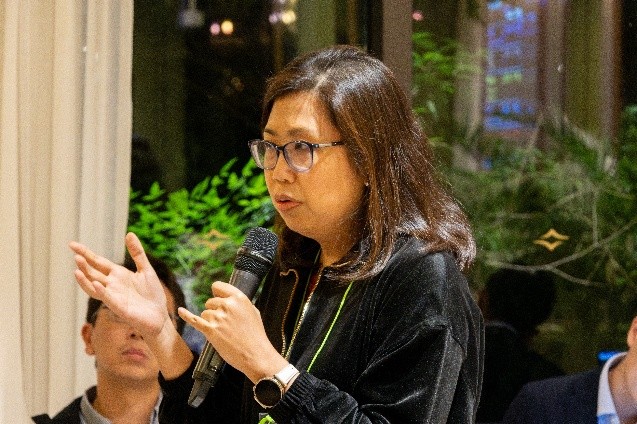
Second, in the ALF Round-Robin Session, participants shared country-specific realities that can be difficult to discern through the news, viewed through the lens of long-term historical cycles. Fellows discussed shifts in economies, technology, demographics, and social psychology across China, India, ASEAN countries, Japan, and Korea, with one cross-cutting theme standing out : the sense that technology is fundamentally reshaping employment and social structures across borders. For the first time this year, the session also introduced a shared framework for country presentations inspired by Ray Dalio’s Principles for Dealing with the Changing World Order: Why Nations Succeed and Fail, enabling simultaneous data comparisons across countries. The presentations offered multi-dimensional perspectives. For example, in the Philippines, concerns were shared that the two pillars supporting its consumption-led economy (approximately 76% of GDP)—the BPO industry (e.g. call centers) and remittances from overseas workers—could be simultaneously destabilized by the spread of AI and robotics. In Singapore, a representative fellow posed the idea of “two Singapores” coexisting, pointing to concerns that, beneath the country’s outward image of success, widening income inequality, rising housing costs, and increasing psychological stress may be accumulating domestically. India was broadly recognized as having achieved steady growth since market reforms in the 1990s, while its challenges were also clearly articulated—especially the relatively low share of manufacturing and a weak engine for employment absorption, with roughly 45% of the labor force still engaged in agriculture. Through these exchanges, participants were able to grasp concrete national realities that are not often fully captured in international media narratives.
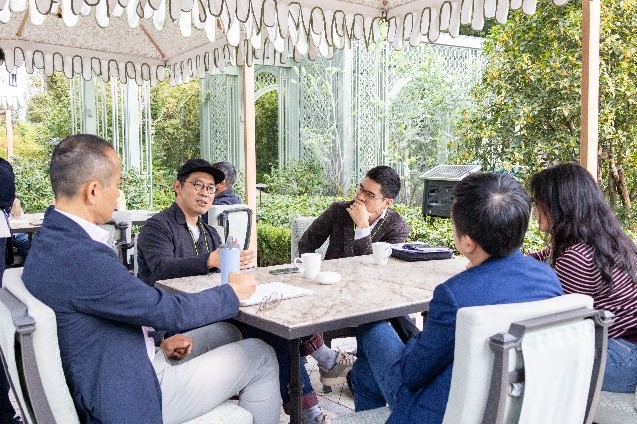
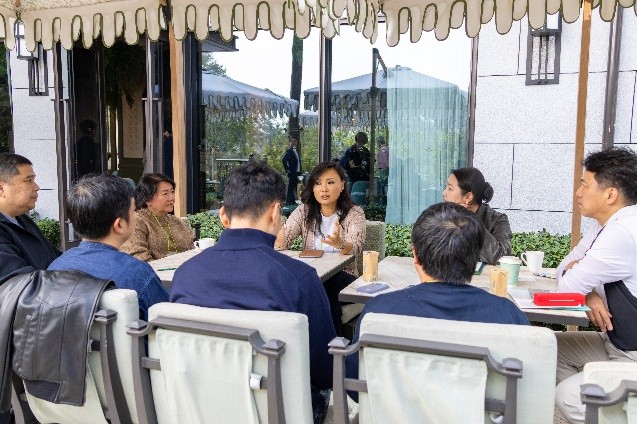
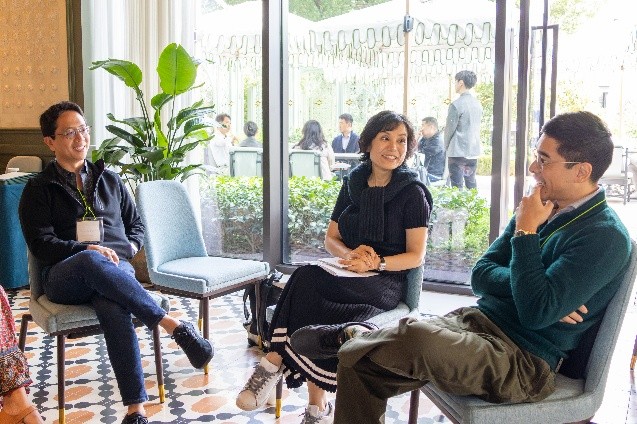
Third, the ALF Circle Session provided a space for participants to share their personal interests and challenges beyond their professional roles, and to engage in dialogue from those starting points. Through the conversation, several shared threads came into focus, including business succession and one’s next personal chapter, bridging across generations and regions, and the rediscovery of Asian knowledge and cultural traditions. More concretely, themes such as lifelong learning in one’s fifties, revitalizing traditional industries, youth development, and cross-border collaboration were shared in close connection with participants’ lived experiences, and discussions continued actively among Fellows even after the session concluded. Post-Gathering feedback also indicated high levels of satisfaction with this session, underscoring its potential to lead to concrete collaborations among Fellows.
Through the dialogues in Hangzhou, it became clear that ALF is evolving from a “space for dialogue” into a community of action. Initiatives emerging from the trust built among Fellows—such as support for renewable‑energy projects in Myanmar, academic exchanges linking India and Korea and programs focused on next‑generation development—were shared as examples of projects already beginning to engage with real‑world social challenges.
Programs in Shanghai
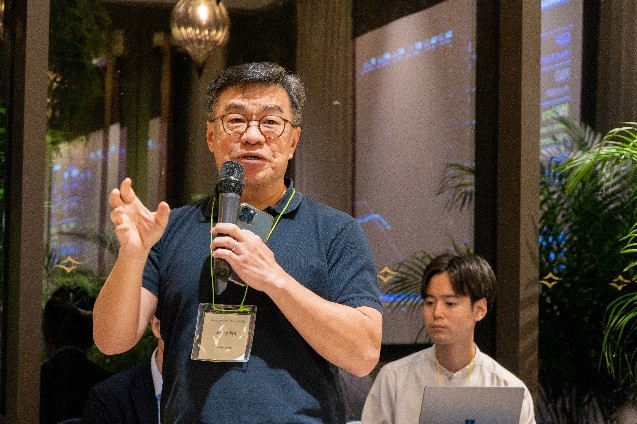
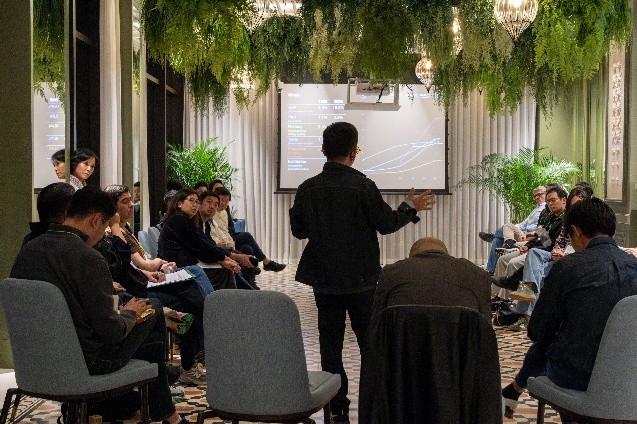
In the latter half of the program, held in Shanghai, Fellows met with leading Chinese intellectuals and investors and visited cutting‑edge companies. These experiences were intended to understand China not as an abstract concept but as a lived reality. Through keynote lectures and in‑depth conversations, topics such as geopolitics, macroeconomics, artificial intelligence and the investment environment were examined from multiple angles. Speakers noted, for example, that while western media often focuses on China’s property‑sector downturn, it is less recognized that the government has been deliberately redirecting capital away from real estate and toward technology‑driven sectors. Discussions also highlighted that China’s competitiveness lies not in individual firms but in the strength of its broader innovation ecosystem, and that although AI remains challenging to monetize in the short term, it holds significant potential for long‑term productivity gains.
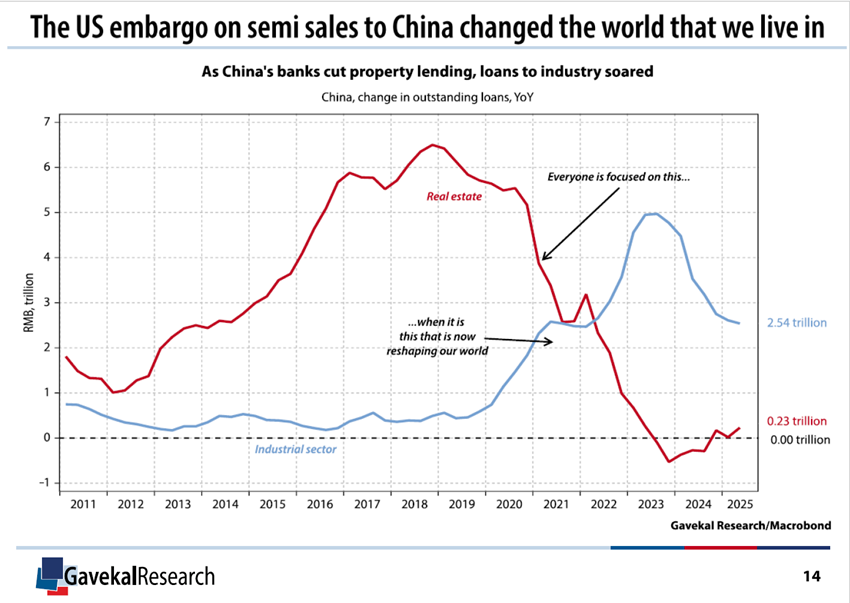
Source: Gavekal Research (presentation materials by Louis-Vincent Gave, November 2025)
During company visits, participants toured several firms located in one of China’s major clusters of advanced technology enterprises. On‑site briefings offered insights into how Chinese companies are advancing in areas such as design data, AI glasses, semiconductors and LiDAR, leveraging rapid cycles of implementation and iterative improvement as key competitive strengths. Many participants were struck by how the close proximity of research and development to manufacturing in China dramatically shortens the cycle from prototyping to mass production.
Among the speakers was a serial entrepreneur who, after receiving his education in the United States, returned to China, founded a company in his twenties, and grew it over a decade to the point of aiming for a global top market share in core technologies for autonomous driving. Moments such as these underscored the depth of China’s entrepreneurial talent pool and the extraordinary creative capacity of its leading innovators, leaving a strong impression on participants.
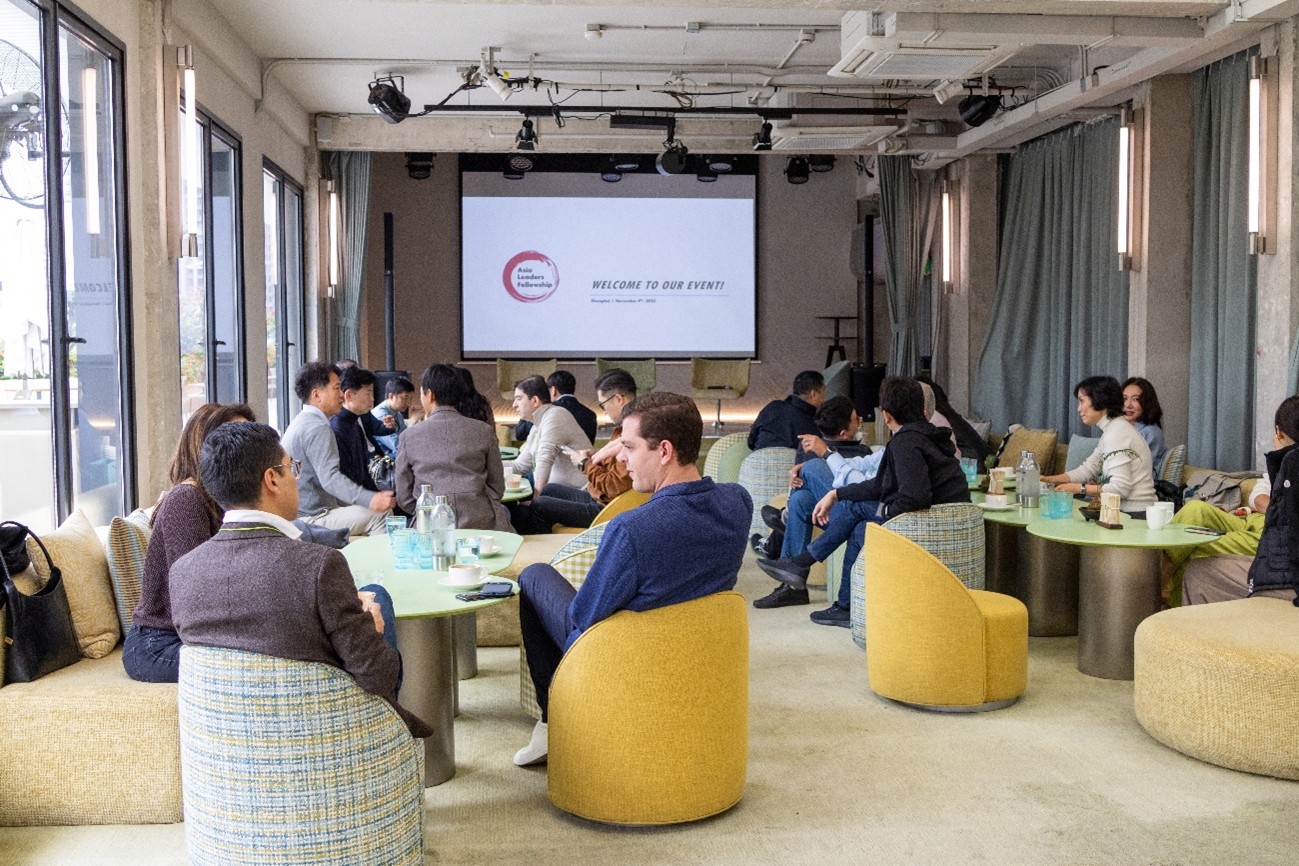
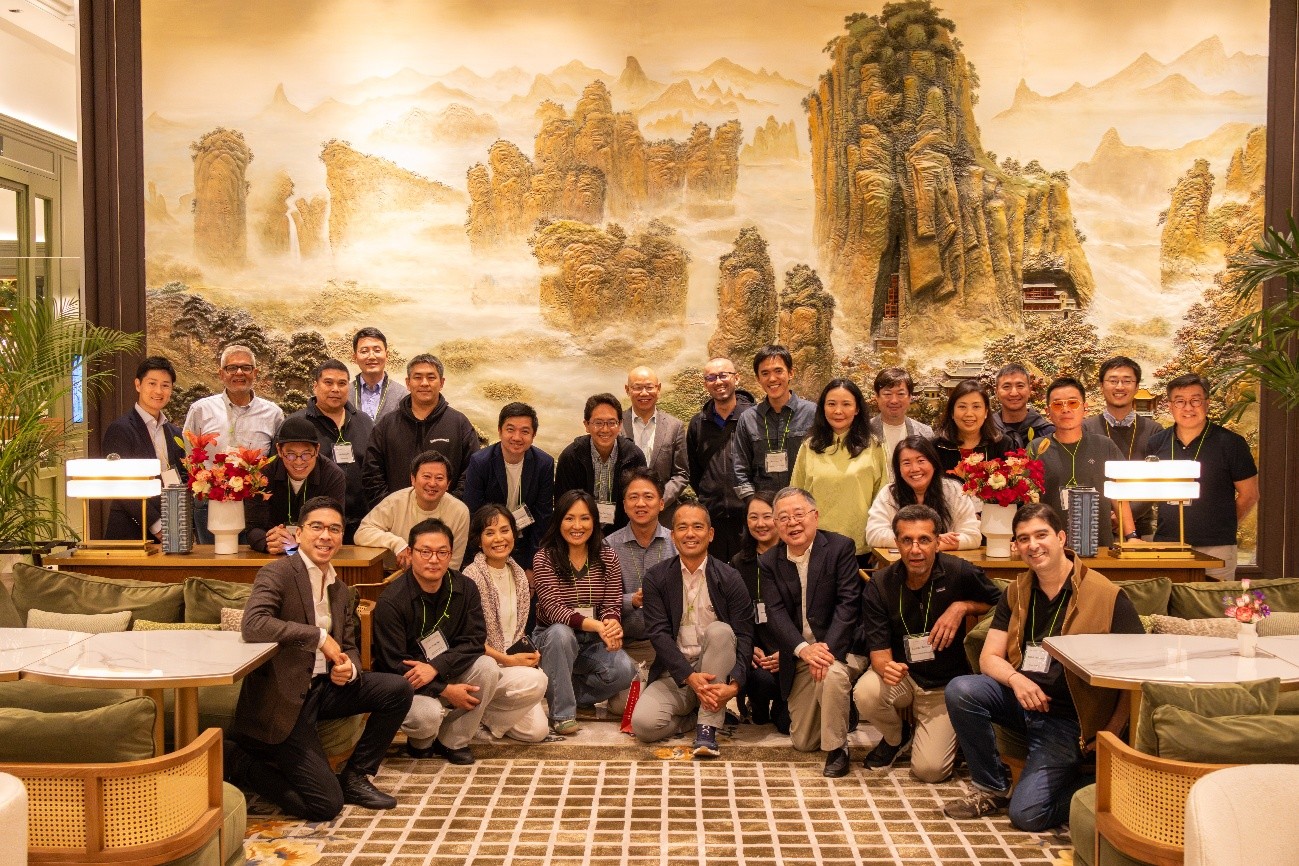
Overall, the 2025 ALF Annual Gathering demonstrated that the Fellowship has entered a new phase—maintaining the intimacy and long‑term perspective it values while engaging directly with the realities of Asia and translating dialogue into social impact. Preparations for the next Annual Gathering are under way, with Indonesia being considered as the central focus. There is strong anticipation that ALF’s learning and collaboration will extend to even broader regions and generations.
Archives
Program
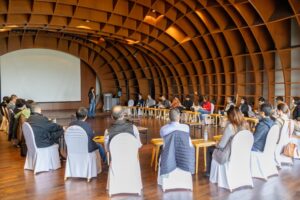
Asia Leaders Fellowship (ALF) The second annual gathering of the Asian Leaders Fellowship (ALF), a community of “leaders in action,” was held in South Korea.
Innovation
Leadership Development
Program
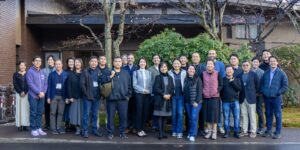
Asia Leaders Fellowship (ALF) Asia Leaders Fellowship (ALF) holds an inaugural gathering in Japan
Innovation
Leadership Development
Program
Innovation
Leadership Development

Program
Nitobe Leadership Program The lecturers of the Nitobe Leadership Program
Innovation
Leadership Development

Related Programs
Innovation Asia Leaders Fellowship (ALF)
ALF was established by Teruhide Sato and Lin Kobayashi, both board members of the International House of Japan (IHJ), along with 5 other founding members. Their awareness of the necessity for a dialog...
Leadership Development
main-300x200.jpg)

Innovation Philosophy English Communication Seminar