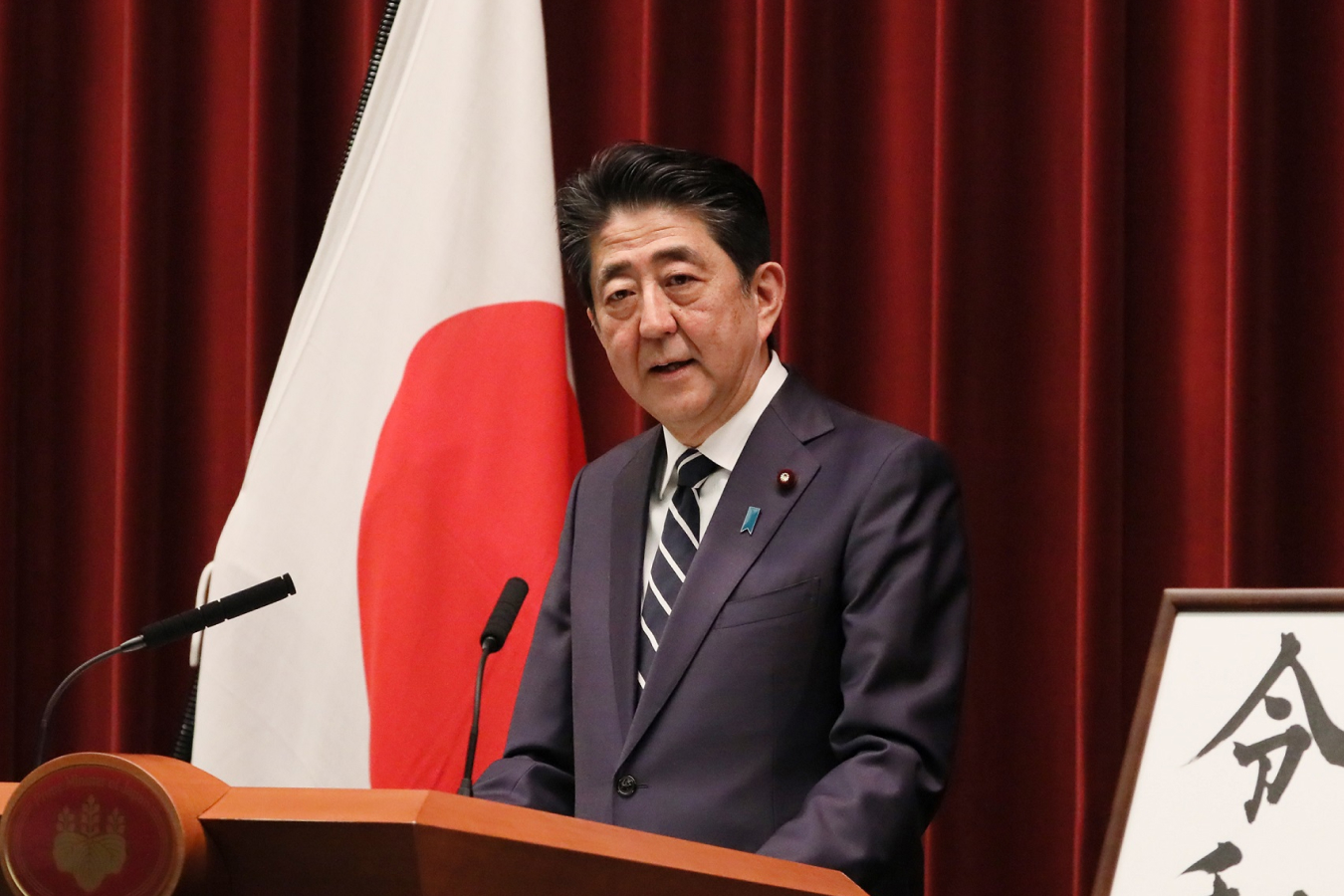
Critical Review of the Abe Administration


- *The program featured on this page has concluded.
Project Outline
The second Abe administration, which lasted for seven years and eight months, turned out to be the longest administration in Japan’s constitutional history. How was this made possible? What did this longest-served stable administration achieve and leave behind?
API’s “Critical Review of the Abe Administration” project aimed to examine the Abe administration’s governance and policy responses. The administration has worked on a wide range of policy challenges, including economic policy, diplomacy and security, work style reform, trade liberalization, and historical issues. This has been made possible by the administration’s distinctive style of governance, including strong leadership from the Prime Minister’s Office, ability to navigate party politics, and overwhelming victories in national elections. On the other hand, the Abe administration left many issues unresolved, including the revision of the Constitution, gender equality, and several scandals that have undermined the legitimacy of the country’s democracy.
This project took up nine major themes related to the policies promoted by the administration, and examined why and how each of these themes did or did not develop based on interviews with more than 50 people working with the administration. We believe that the lessons learned from this review are extremely important for rebuilding political centrism based on thorough debate and compromise, and for strengthening competitive party-based democracy in Japan.
Project’s Approach
In the “Critical Review of the Abe Administration”, we have organized the issues of the second Abe administration into nine major categories. Leading experts in each field have offered their insights on the chosen themes in each chapter. Since December 2020, the project had fourteen plenary meetings total, and the project team also held cross-disciplinary discussions. Professor Nakakita from Hitotsubashi University served as the chair of the project.
・Economic policies (Abenomics): KAMIKAWA Ryunoshin
・Elections and public opinions: SAKAIYA Shiro
・Leadership of the Prime Minister’s Office: NAKAKITA Koji}
・Diplomacy and security: JIMBO Ken
・TPP and trade: TERADA Takashi
・Historical issues: KUMAGAI Naoko
・Ruling-party governance: TAKENAKA Harukata
・Women’s policy: TSUJI Yuki
・Revision of the Constitution: Kenneth Mori McElwain
※Detailed profile of each author follows below
Interviews
To examine the Abe administration from various perspectives, we conducted interviews with more than 50 key figures in the second Abe administration between July and November 2021. Due to the pandemic, most interviews were conducted online.
◎Interviewees (Only some are listed; without honorifics)
ABE Shinzo/SUGA Yoshihide/KISHIDA Fumio/AMARI Akira/KATO Katsunobu/ISHIBA Shigeru/TANIGAKI Sadakazu/YAMAGUCHI Natsuo/KANNO Shiori/TSUJIMOTO Kiyomi and others
Publication (English)
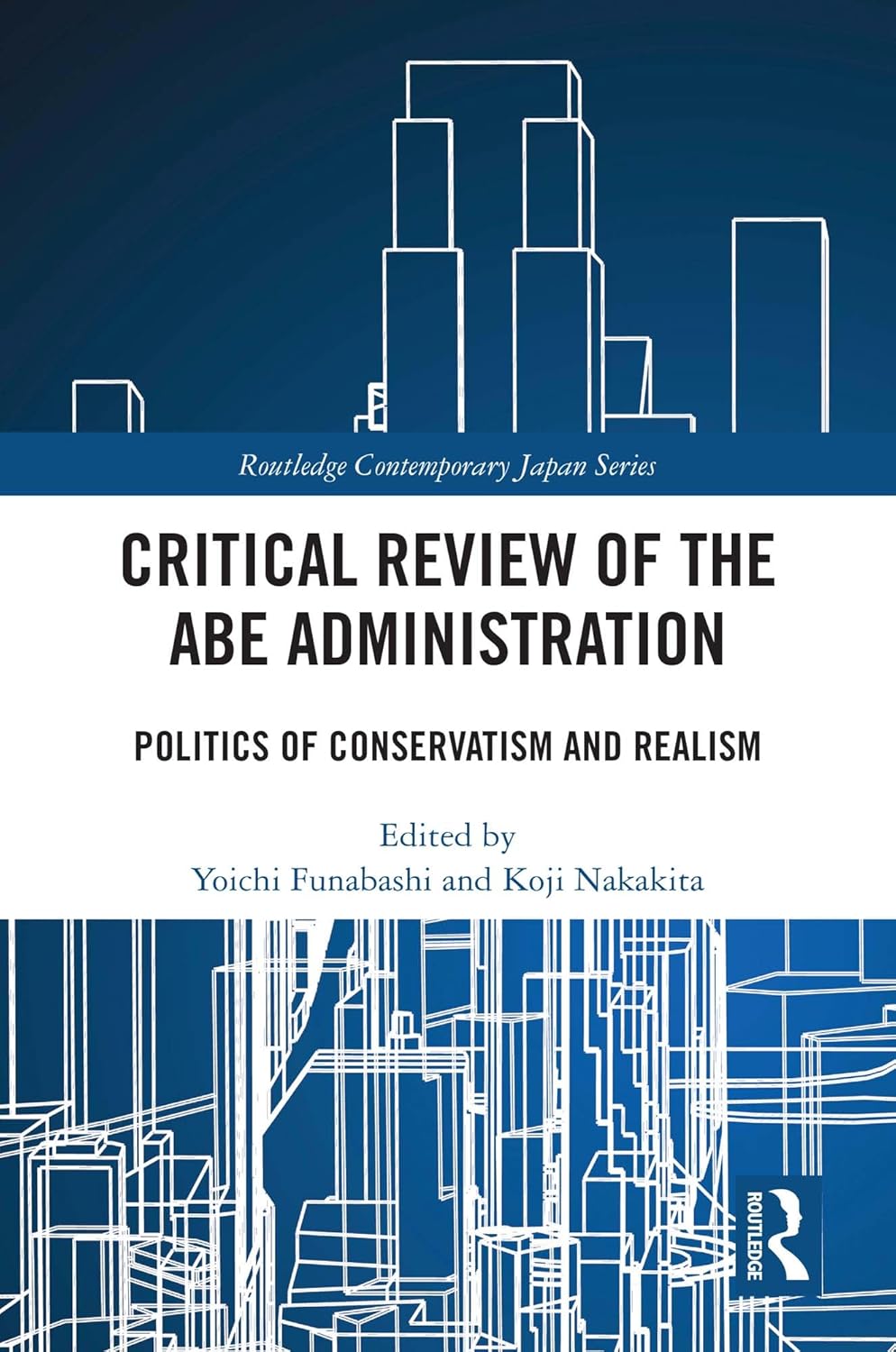
Originally published in Bungeishunju in Japanese, this book examines policies pursued by the administration and its governance based on over 50 investigative interviews with key figures in the administration, including former Prime Minister Shinzo Abe.
First Published:December 12, 2023
Publisher:Routledge
ISBN:978-1032548852
Publication (Taiwanese)
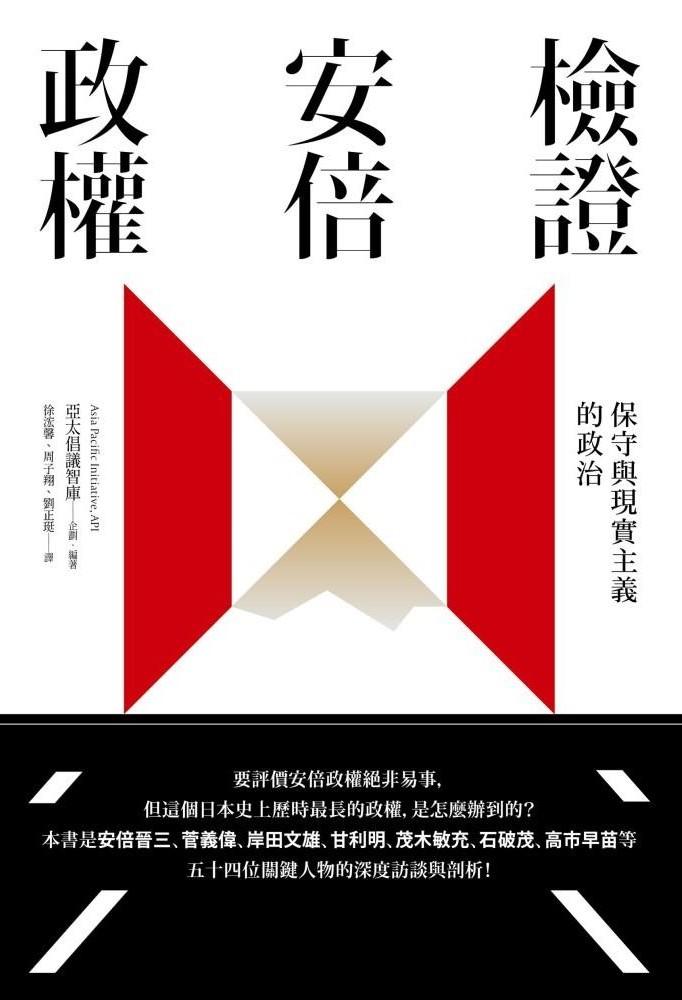
The Taiwanese version of the book “Critical Review of the Abe Administration.” This book was translated and published with the support of a translation and publication grant from the Japan-Taiwan Exchange Association.
First Published:September 15, 2024
Publisher:玉山社
ISBN:978-9862944080
Project Members
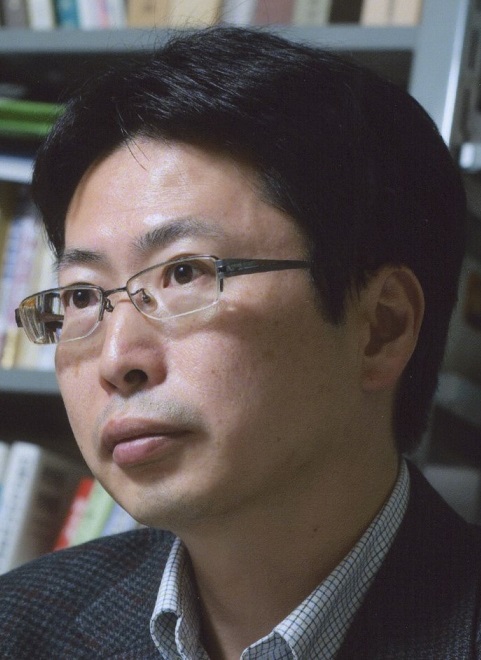
Professor, Graduate School of Social Sciences, Hitotsubashi University
NAKAKITA Koji Chair
Koji Nakakita received his Ph.D. from the University of Tokyo in 1997. Before joining the Hitotsubashi faculty in 2011, he was a member of the department of politics at Rikkyo University for ten years. Professor Nakakita is a specialist of the politics and history of contemporary Japan. In English, he has published a book, “The Liberal Democratic Party of Japan: The Realities of ‘Power’” (Routledge, 2020).
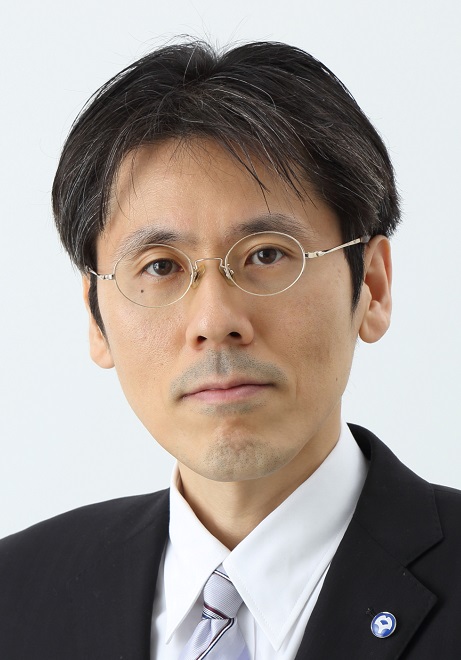
Professor, Graduate School of Law and Politics, Osaka University
KAMIKAWA Ryunoshin
Prof. Kamikawa specializes in contemporary Japanese politics and comparative political economy. He holds a Ph.D. from Kyoto University. His English publications include “Managing the Bank-System Crisis in Coordinated Market Economies,” (Governance, Vol.19, 2006, with Torsten Svensson and Masaru Mabuchi), “Market-Based Banking in Japan,” in Iain Hardie and David Howarth eds., Market-Based Banking and the International Financial Crisis (Oxford University Press, 2013), “The Failure of the Democratic Party of Japan,” (Social Science Japan Journal, Vol.19, 2016), “TEPCO’s Political and Economic Power before 3.11,” and “Nuclear Policy after 3.11,” in Tsujinaka Yutaka and Inatsugu Hiroaki eds., Aftermath (Trans Pacific Press, 2018).
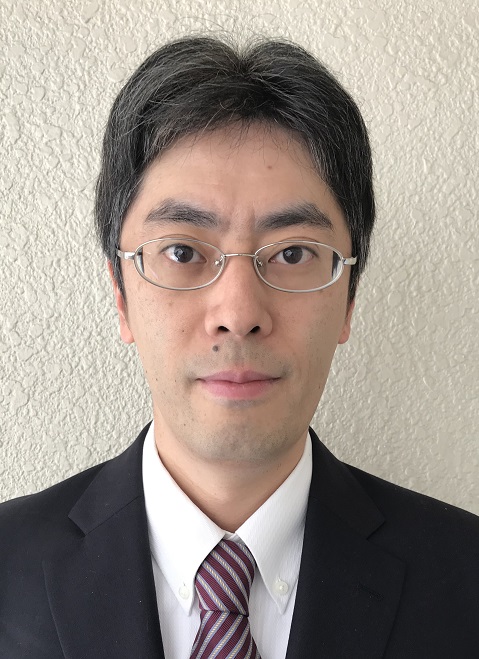
Professor, Graduate Schools for Law and Politics, the University of Tokyo
SAKAIYA Shiro
Shiro Sakaiya received his Ph.D. from the University of Tokyo in 2008. He specializes in Japanese politics and is the author of the following books: The Constitution and the Public Opinion (Kenpo to Yoron, 2017) , Political Participation (Seiji Sankaron, co-authored, 2020).
MSF Executive Director, Asia Pacific Initiative Professor, Faculty of Policy Management, Keio University
JIMBO Ken
Prior to joining Keio University, Dr. Jimbo was a Director of Research at the Japan Forum on International Relations Inc. (JFIR) in 2003-2004, and a Research Fellow at the Japan Institute of International Affairs (JIIA) in 1999-2003. He obtained his Ph.D from the Graduate School of Media and Governance at Keio University in March 2005. His main research fields include Japan-US Security Relations, Japanese Foreign and Defense Policy, Multilateral Security in Asia-Pacific, and Regionalism in East Asia. He has been a member of various governmental commissions and research groups including the Globalization Working Group of the 21st Century Vision (Council on Economic and Fiscal Policy, Cabinet Secretariat. His recent articles (in English) include, Ken JIMBO ed., Regional Security Architecture in the Asia-Pacific, Tokyo Foundation (2010) (in Japanese) Ajia Taiheiyo no Chiiki Anzen Hosho Ahkitekucha; Dr. Jimbo is concurrently a Senior Research Fellow at the Tokyo Foundation, and the Canon Institute for Global Studies.
Professor of International Relations, Doshisha University
TERADA Takashi
Takashi Terada received his Ph.D from Australian National University in 1999. Before taking up his current position in April 2012, he was an assistant professor at National University of Singapore (1999-2006) and associate and full professor at Waseda University (2006-2011). He also has served as a visiting professor at University of Warwick, U.K. (2011 and 2012) and a Japan Scholar at Woodrow Wilson International Center for Scholars, Washington D.C. (2012). His areas of specialty include international political economy in Asia and the Pacific, theoretical and empirical studies of regional integration, and Japanese politics and foreign policy. His latest book is East Asia Versus the Asia-Pacific: Competing Regional Integrations (in Japanese University of Tokyo Press, 2013). He is the recipient of the 2005 J.G. Crawford Award.
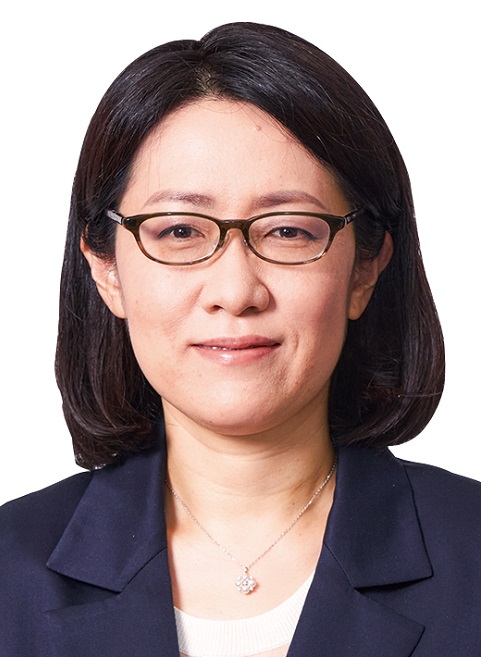
Professor, the School of Global Studies and Collaboration, Aoyama Gakuin University
KUMAGAI Naoko
Naoko Kumagai is professor in the School of Global Studies and Collaboration at Aoyama Gakuin University. Her research focuses on international relations theory, humanitarianism, and conflict resolution. She earned a Ph.D. in political science at the Graduate Center, City University of New York. Her publications include The Comfort Women: Historical, Political, Legal, and Moral Perspectives (Tokyo: I-House Press, 2016), which is the English version of Jūgun Ianfu Mondai (The Issue of Comfort Women) (translated by David Noble). Since 2021, she has served as director of the Japan Chair at the University for Peace (Universidad para la Paz in Costa Rica)
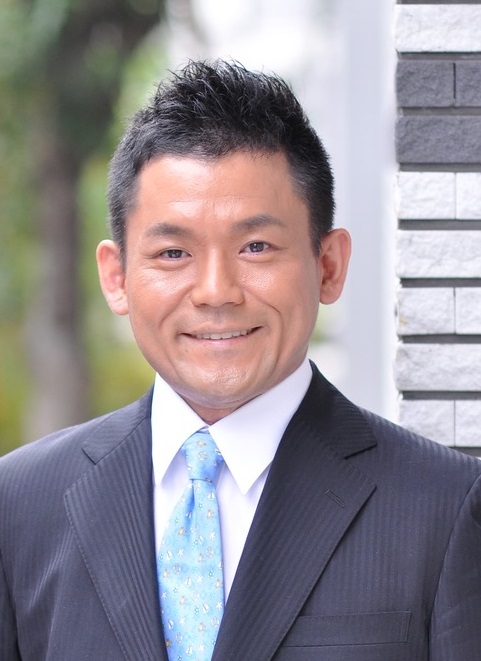
Professor, National Graduate Institute for Policy Studies
TAKENAKA Harukata
Prof. Takenaka specializes in Japanese Politics and Comparative Politics. He has been affiliated with the National Graduate Institute for Policy Studies since 1999, during which he also served as a visiting scholar at Stanford University. He earned his BA in law from the University of Tokyo, and his Ph.D. in political science from Stanford University. His publications include Shusho shihai [Prime Minister’s Rule] (Chuo-koron Shinsha, 2006) and the award-winning Sangiin to wa nani ka [What Is the House of Councillors?] (Chuo-koron Shinsha, 2010). Failed Democratizatoin in Prewar Japan: Breakdown of a Hybrid Regime (Stanford: Stanford University Press, 2014). “Evolution of Japanese security policy and the House of Councilors,” Japanese Journal of Political Science, 22:2, (June 2021), 96-115. “Expansion of the Japanese prime minister’s power in the Japanese parliamentary system: Transformation of Japanese politics and the institutional reforms” Asian Survey 59:5 (September/October 2019), 844-865.
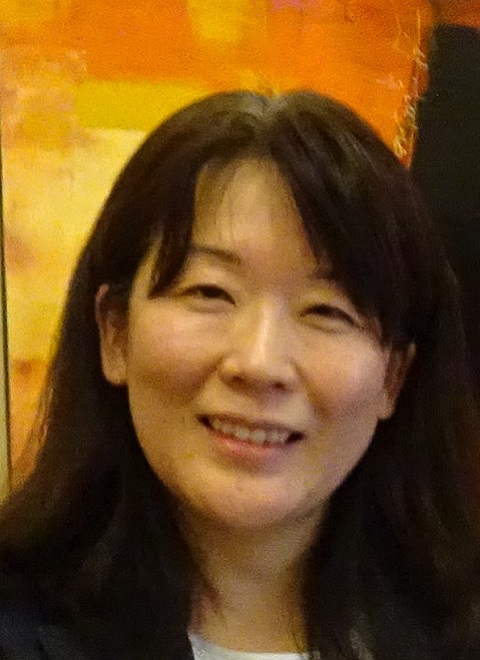
Professor of Political Sociology, the School of Political Science and Economics, Tokai University.
TSUJI Yuki
Professor Tsuji’s research interest is on gender and politics in Japan, including the political representation of women, welfare regimes, and gender and family policies. Her publications in English include “Women and the Liberal Democratic Party in Transition” in Beyond the Gender Gap in Japan edited by Gill Steel (University of Michigan Press, 2019), and “Explaining the Increase in Female Mayors: Gender-Segregated Employment and Pathways to Local Political Leadership” in the Social Science Japan Journal, 20(1): 37–57, 2017.
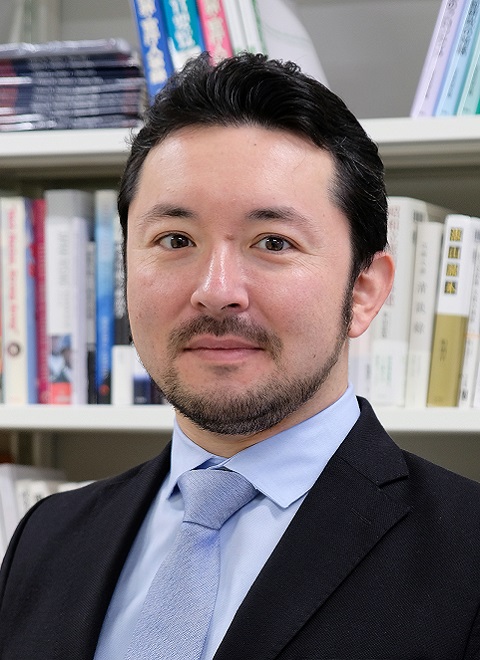
Professor of Comparative Politics, the Institute of Social Science, the University of Tokyo
Kenneth Mori McElwain
Kenneth Mori McElwain is Professor of Comparative Politics at the Institute of Social Science, University of Tokyo. His research focuses on comparative political institutions, most recently on differences in constitutional content across countries. He received his BA from Princeton University and PhD in political science from Stanford University, and previously taught at the University of Michigan, before moving to his current post in 2015. His work has been published in a number of journals and edited volumes, including American Journal of Political Science, Journal of East Asian Studies, Social Science Japan, Chuō Kōron, and the Journal of Japanese Studies. He was the co-editor of Political Change in Japan: Electoral Behavior, Party Realignment, and the Koizumi Reforms, APARC/Brookings Institutions Press. He also serves as Editor-in-Chief of Social Science Japan Journal, published by Oxford University Press, and is a board member of the UTokyo Center for Contemporary Japanese Studies.
Secretariat
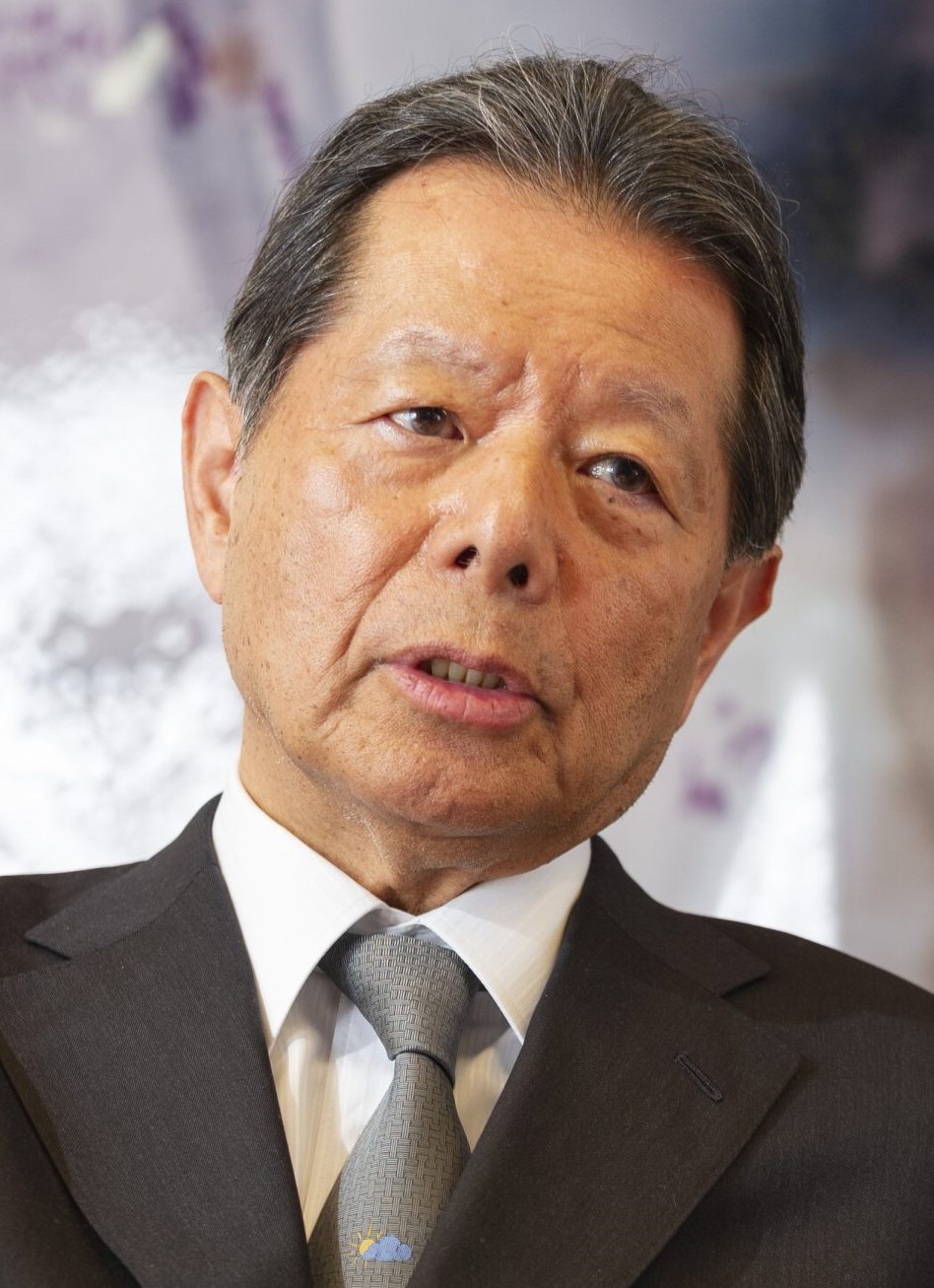
Chairman, Global Council Founder, Asia Pacific Initiative
FUNABASHI Yoichi
Yoichi Funabashi is Chairman of the Rebuild Japan Initiative Foundation and a former Editor-in-Chief for the Asahi Shimbun. He is a contributing editor of Foreign Policy (Washington, DC). He served as correspondent for the Asahi Shimbun in Beijing (1980-81) and Washington (1984-87), and as American General Bureau Chief (1993-97). In 1985 he received the Vaughn-Ueda Prize for his reporting on international affairs. He won the Japan Press Award, known as Japan’s “Pulitzer Prize”, in 1994 for his columns on foreign policy, and his articles in Foreign Affairs and Foreign Policy won the Ishibashi Tanzan Prize in 1992. His books in English include The Peninsula Question (Brookings Institute, 2007); Reconciliation in the Asia-Pacific, ed. (USIP, 2003,); Alliance Tomorrow, ed. (Tokyo Foundation, 2001); Alliance Adrift (Council on Foreign Relations Press, 1998, winner of the Shincho Arts and Sciences Award); Asia-Pacific Fusion: Japan’s Role in APEC (Institute for International Economics, 1995, winner of the Mainichi Shimbun Asia Pacific Grand Prix Award); and Managing the Dollar: From the Plaza to the Louvre (1988 winner of the Yoshino Sakuzo Prize). His recent articles and papers in English include: “Fukushima in review: a complex disaster, a disastrous response”(Bulletin of the Atomic Scientists, March/April 2012); “Lessons from Japan’s nuclear accident” (East Asia Forum, 26 March 2012); “The end of Japanese illusions”(New York Times, 11 March 2012); “My findings in Japan’s existential fallout” (Financial Times, 9 March 2012); “Challenges for Rising Asia and Japan’s Role” (Yale Global Online, September 2010); “Forget Bretton Woods II: the Role for U.S.-China-Japan Trilateralism” (Washington Quarterly, April 2009); “No One Model for Global Economy” (Yale Global Online, March 2009); “Keeping Up With Asia” (Foreign Affairs, September/October 2008); “Power of Ideas: The US is Losing its Edge” (Global Asia, Fall 2007); “Stuck on the Sidelines”, (Newsweek International, 5 March 2007); “Koizumi landslide: the China factor” (Yale Global Online, 15 September 2005); “The world should also have a vote”(International Herald Tribune, 25 March 2004); “Koizumi opens a Pandora’s box”(Financial Times, 7 January 2004); “China is preparing a ‘peaceful ascendancy’ ” (International Herald Tribune, 30 December 2003); “Learning from five years of trialogue” (China-Japan-US: Meeting New Challenges, 2002); “Northeast Asia’s strategic dilemmas” (Assessing the Threats, 2002); “Asia’s digital challenge”(Survival, Spring 2002); “Japan’s unfinished success story” (Japan Quarterly 2001); “Japan’s moment of truth” (Survival, Winter 2000-01); “International perspectives on national missile defense: Tokyo’s temperance” (The Washington Quarterly, Summer 2000); “Tokyo’s depression diplomacy” (Foreign Affairs, November / December 1998); “Thinking trilaterally” (China-Japan-US: Managing the Trilateral Relationship, 1998); and “Bridging Asia’s economics-security gap” (Survival, Winter 1996-97). He received his B.A. from the University of Tokyo in 1968 and his Ph.D. from Keio University in 1992. He was a Nieman Fellow at Harvard University (1975-76), a visiting Fellow at the Institute for International Economics (1987), a Donald Keene Fellow at Columbia University (2003), and a visiting professor at the University of Tokyo Public Policy Institute (2005-2006).
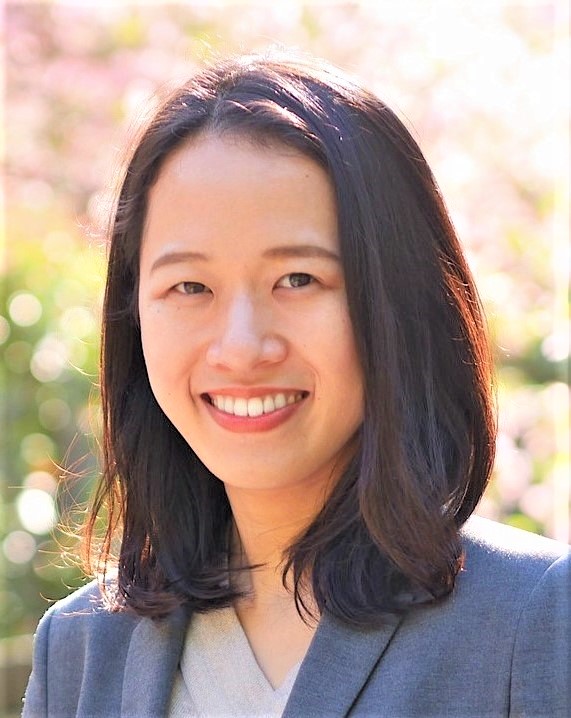
Former Research Fellow, Asia Pacific Initiative
SHIBATA Narumi
SHIBATA Narumi is a research fellow at API. She has career experience working in the social sector and overseas Japanese embassy(Israel) as well as in the technology industry.
She holds a BA in International Politics, Economics and Communication from Aoyama Gakuin University, Japan and MA in Political Science from Stockholm University, Sweden.
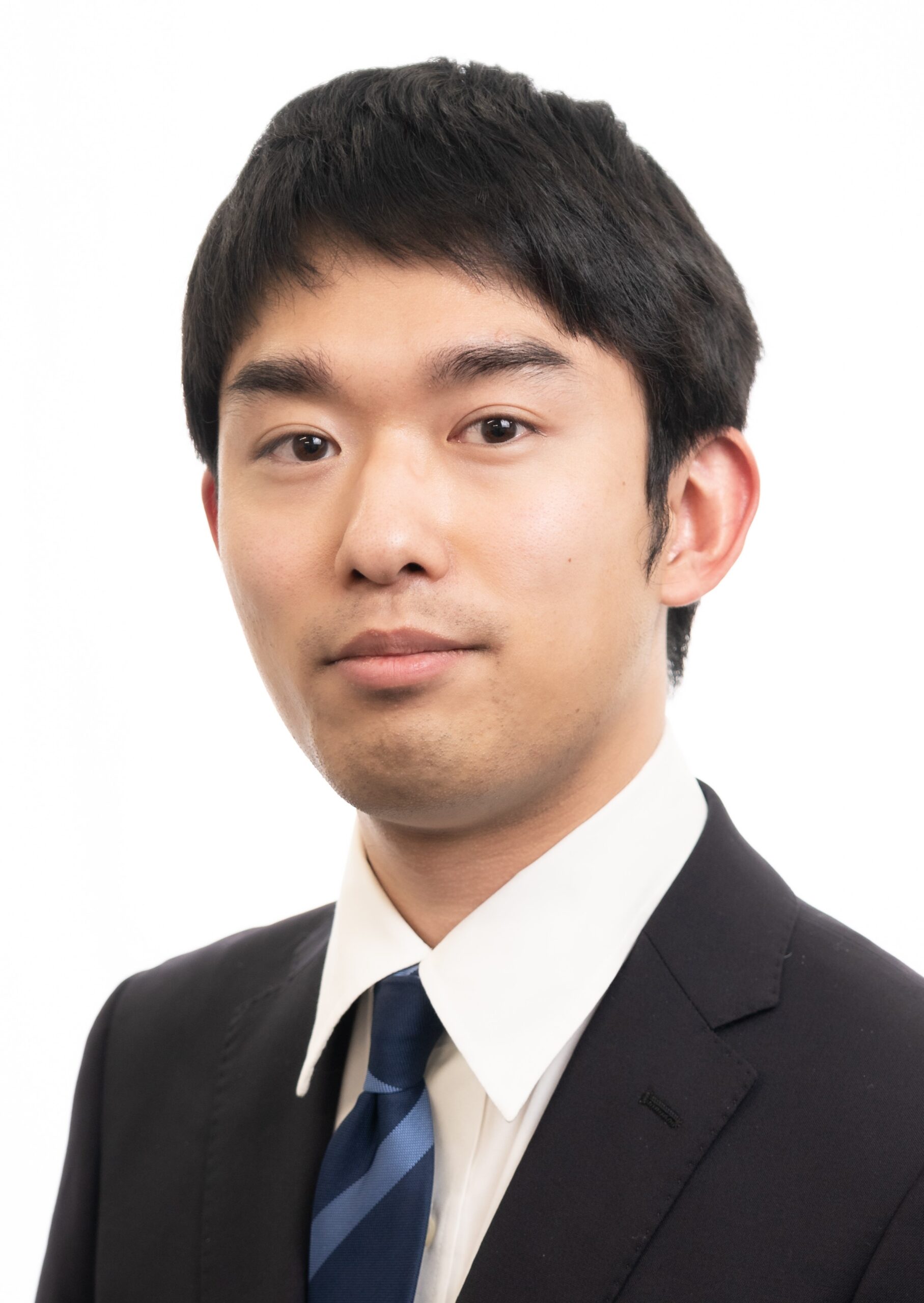
Digital Communications Officer & Research Associate, Asia Pacific Initiative
ISHIKAWA Yusuke
Yusuke Ishikawa is Research Fellow and Digital Communications Officer at Asia Pacific Initiative (API) and Institute of Geoeconomics (IOG). His research focuses on European comparative politics, democratic backsliding, and anti-corruption. He also serves as External Contributor for Transparency International’s Anti-Corruption Helpdesk, as Associate Research Fellow at the EUROPEUM Institute for European Policy, and as Part-time Lecturer in European Affairs at the Department of Economics and Business Management, Saitama Gakuen University.
Prior to his current roles, Research Associate at IOG and API, contributing to its translation project of Critical Review of the Abe Administration into English and Chinese. Previously, he has worked as Research Assistant for API’s CPTPP program and interned with its Fukushima Nuclear Accident and Abe Administration projects. His other experience includes serving as a visiting research fellow at EUEOPEUM Institute, a full-time research intern at Transparency International Hungary, and as a part-time consultant with Transparency International Defence & Security in the UK.
His publications include “NGOs, Advocacy, and Anti-Corruption” (In Routledge Handbook of Anti-Corruption Research and Practice, 2025) and A Dangerous Confluence: The Intertwined Crises of Disinformation and Democracies (Institute of Geoeconomics, 2024). He has been featured in national and international media outlets including Japan Times, NHK, TV Asahi, Neue Zürcher Zeitung (NZZ), Handelsblatt, Expresso, and E-International Relations (E-IR). He received his BA in Political Science from Meiji University, MA in Corruption and Governance (with Distinction) from the University of Sussex, and another MA in Political Science from Central European University. During his BA and MAs, he also acquired teacher’s licenses in social studies in secondary education and a TESOL (Teaching English to Speakers of Other Language) certificate.
Associate Research Fellow, EUROPEUM Institute for European Policy, Czechia
External Contributor Consultant, Anti-Corruption Helpdesk, Transparency International Secretariat (TI-S), Germany
Part-time Lecturer, Department of Economics and Business Management, Saitama Gakuen University, Japan
Related Programs

Geoeconomics IHJ Roundtable
IHJ frequently organizes roundtables as part of our mission to “contribute to building a free, open, and sustainable future through intellectual dialogue, policy research, and cultural exchange with a...
Policy Research

Innovation Asia Leaders Fellowship (ALF)
ALF was established by Teruhide Sato and Lin Kobayashi, both board members of the International House of Japan (IHJ), along with 5 other founding members. Their awareness of the necessity for a dialog...
Intellectual Dialogue
main-300x200.jpg)